

Hue Imperial City, A majestic symbol and the soul of the ancient capital, waiting for you to discover. Not only is it a magnificent architectural complex, but it is also a silent witness to many historical ups and downs, concealing countless architectural secrets and fascinating cultural stories.
Let Queen Cafe Open Bus accompany you as you open the door to time. Strolling through the space of Hue Imperial City, you will feel the depth of beauty where the past and present blend together in a magical way, creating an unforgettable journey.
1. Information You Need to Know Before Visiting Hue Imperial City
To ensure a complete and smooth journey exploring the ancient capital, it is essential to grasp the most important information about Hue Citadel before setting foot there.
1.1. Where is the address of Hue Imperial City?
The majestic Imperial City of Hue is located right center The city of Hue, proudly stretching along the northern bank of the romantic Huong River. This prime geographical location not only creates a beautiful landscape but also has profound feng shui significance, with Ngu Binh Mountain standing in front like a natural screen and the Huong River winding like a soft silk ribbon.
1.2. Hue Imperial City Opening Hours & Latest Admission Fees
For the convenience of tourists in planning their itineraries, below is detailed information about the opening hours and admission fees for Hue Imperial City in 2025.
1.2.1. What time does Hue Citadel close?
- Summer (April – September): 6:30 in the morning 17:30 afternoon.
- Winter (October – March): 7:00 in the morning 17:00 afternoon.
The advice for visitors is to arrive early, especially during peak season or on sunny days, to capture beautiful photos. With such a large historical site rich in historical value, having more time to fully explore will provide a much more profound experience.
1.2.2. Admission fees to Hue Imperial City in 2025
| Serial Number | Tourist attraction | Adults | Children (ages 7–12) |
| 1 | The Imperial City of Hue | 200,000 VND | 40,000 VND |
| 2 | Historic sites: Minh Mang Tomb; Tự Đức Emperor's Mausoleum; Khai Dinh Tomb | 150,000 VND | 30,000 VND |
| 3 | Gia Long Emperor's Mausoleum | 150,000 VND | Free |
| 4 | Tomb of King Dong Khanh | 100,000 VND | Free |
| 5 | Historic sites: Tomb of King Thiệu Trị; Hue Royal Antiquities Museum; Hòn Chén Power Plant; An Dinh Palace; Nam Giao zither | 50,000 VND | Free |
Important Notes:
- The above ticket prices apply to general admission tickets to the Imperial City complex (including the Imperial Citadel and Forbidden City).
- For some other individual relics within the Hue heritage complex such as the tombs of the kings, Thien Mu Pagoda... will have separate ticket prices.
- Ticket pricing policies are subject to change according to the regulations of the Hue Heritage Management Board. Visitors should check the information on the official website or at the ticket counter before their trip to ensure accuracy.
- Visitors may consider purchasing a package ticket for Hue's historical sites if they plan to visit multiple locations to save money.
1.3. Overall Map of Hue Imperial City
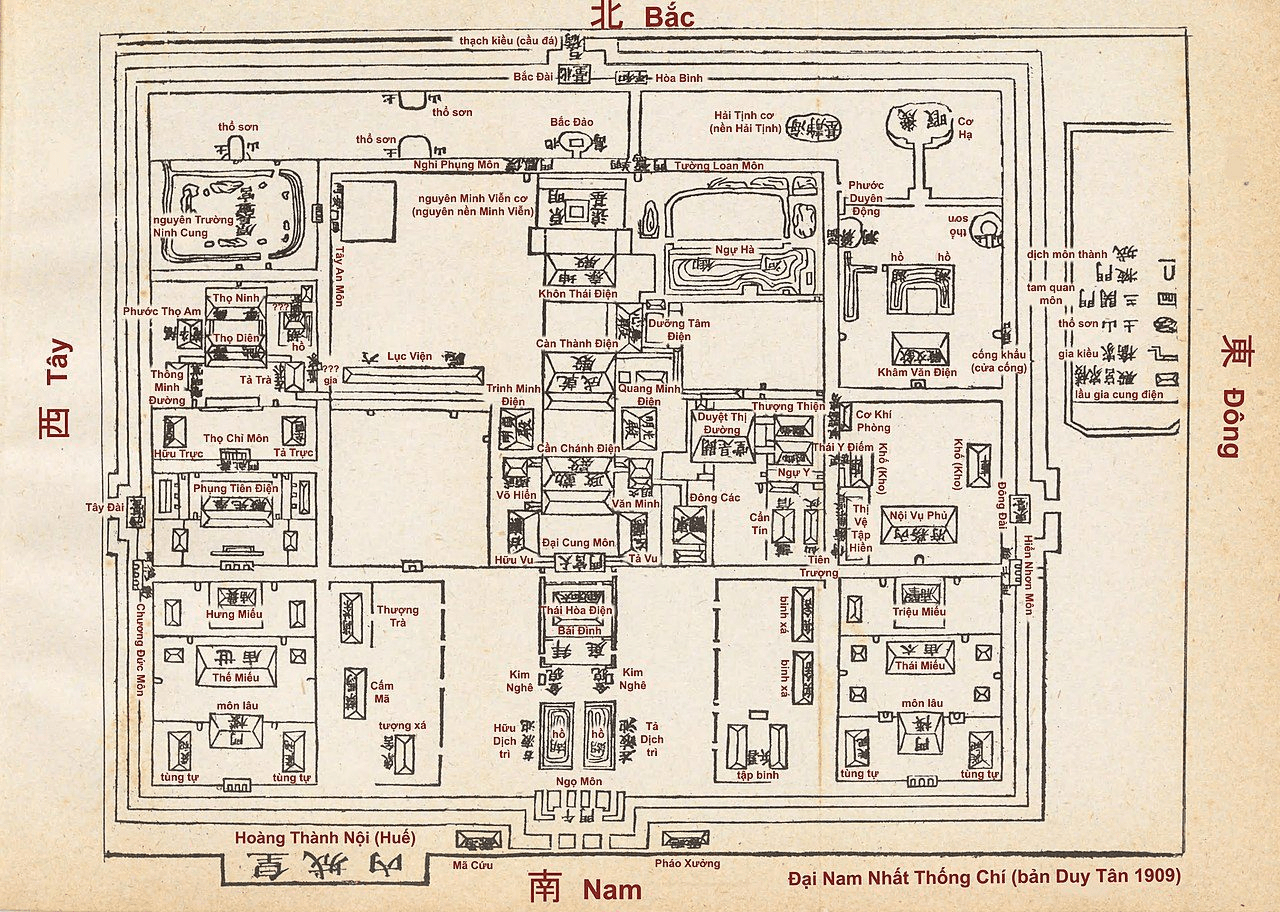
Visitors can find free maps of Hue Citadel right at the entrance gate, or purchase a more detailed map at souvenir stands if they want to explore every nook and cranny. The main gates to the Imperial City are usually:
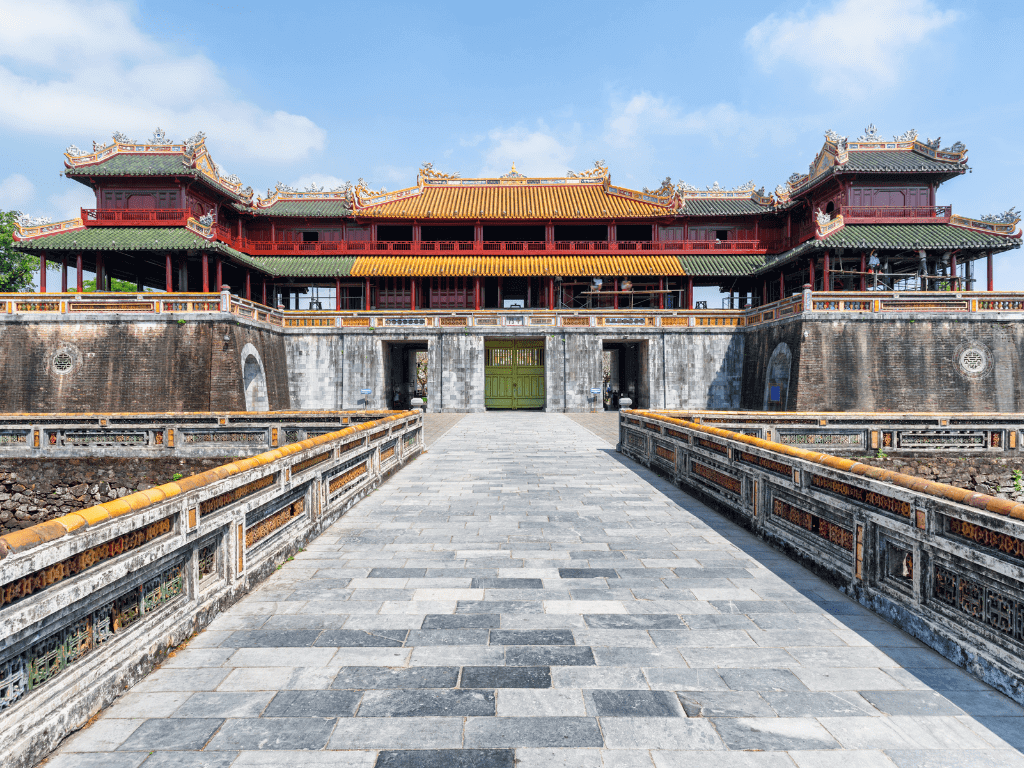
- Noon GateThe main and largest gate, which is the entrance commonly used by most visitors, leads directly into the Imperial City.
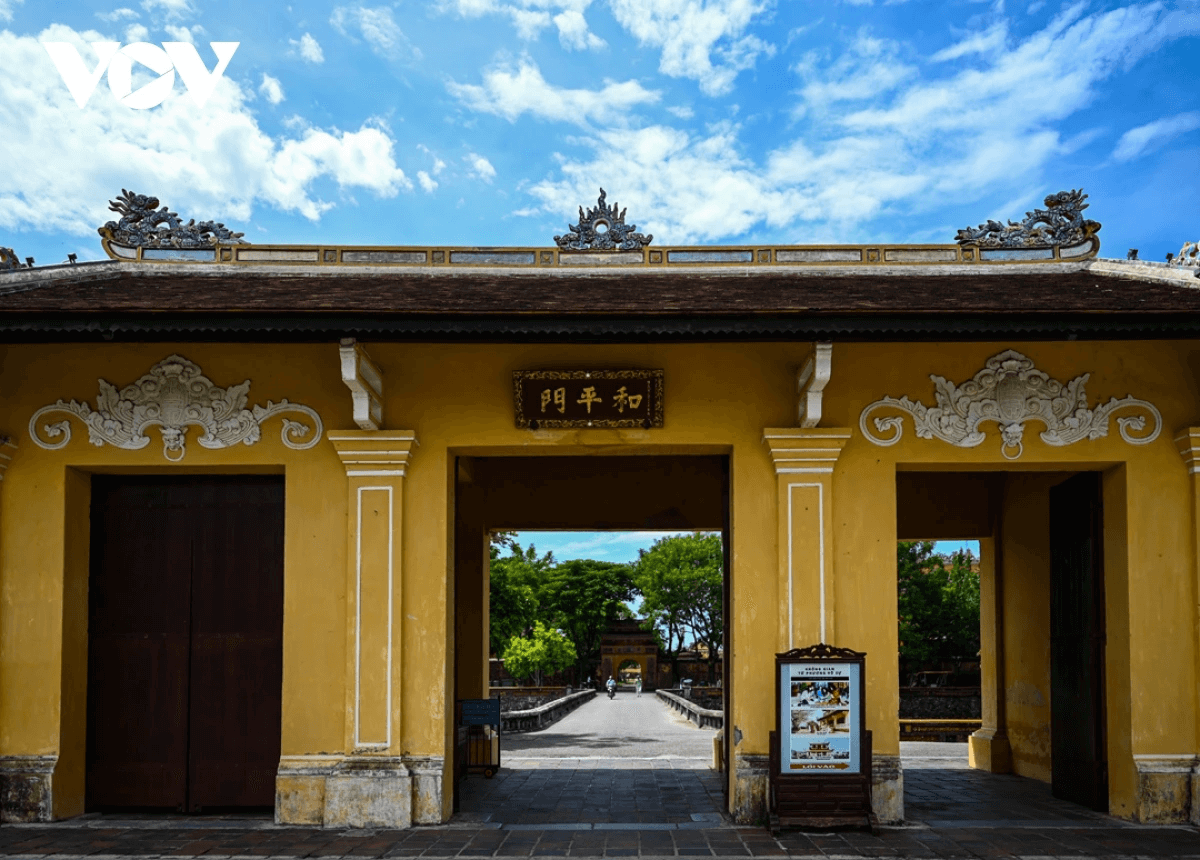
- Peace Gate: Located to the west of the Imperial City, it is also a convenient entrance.
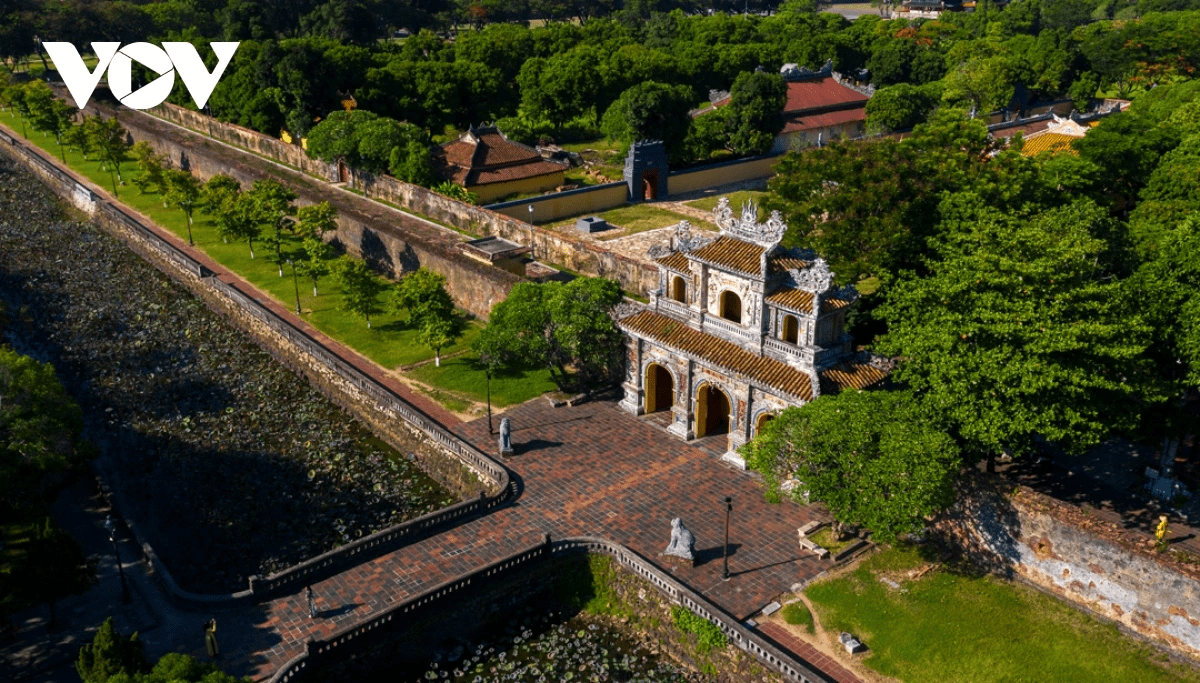
- Hiển Nhơn Gate: Located to the east of the Imperial City.
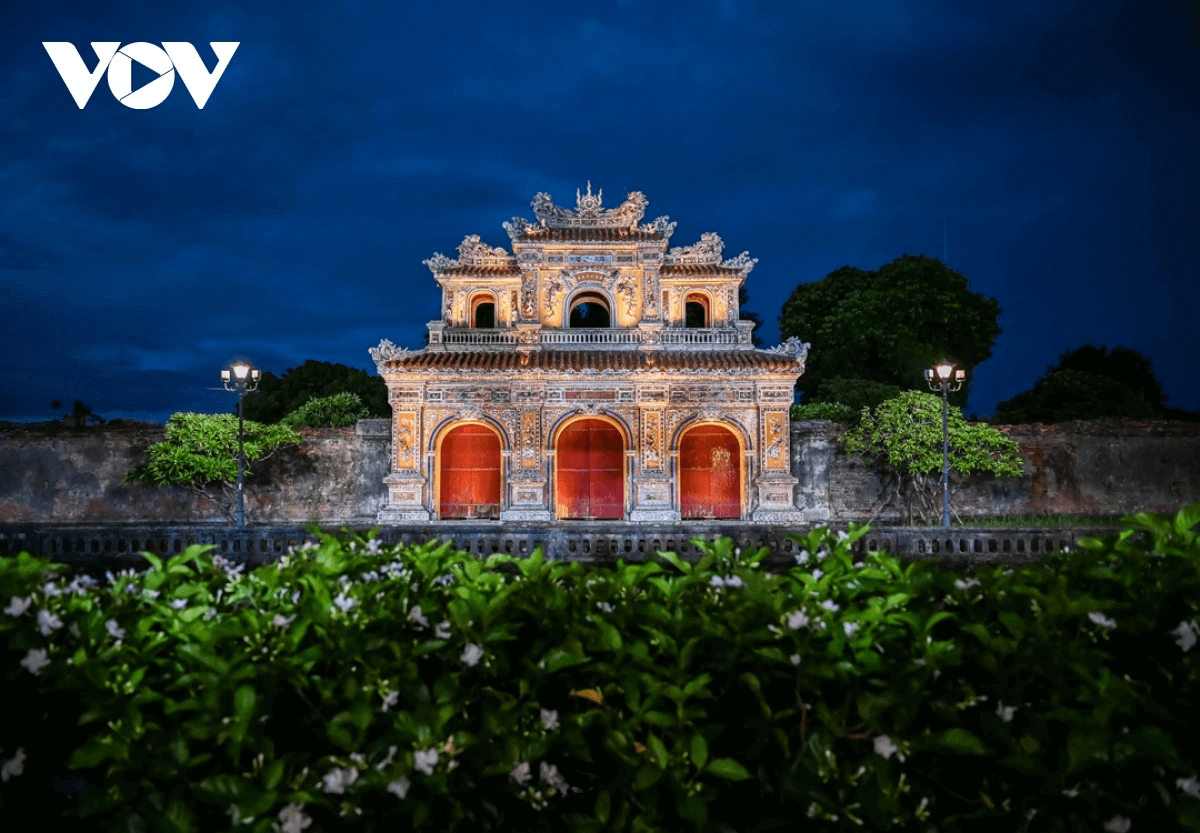
- Chuong Duc Gate: Located on the west side of the Imperial City.
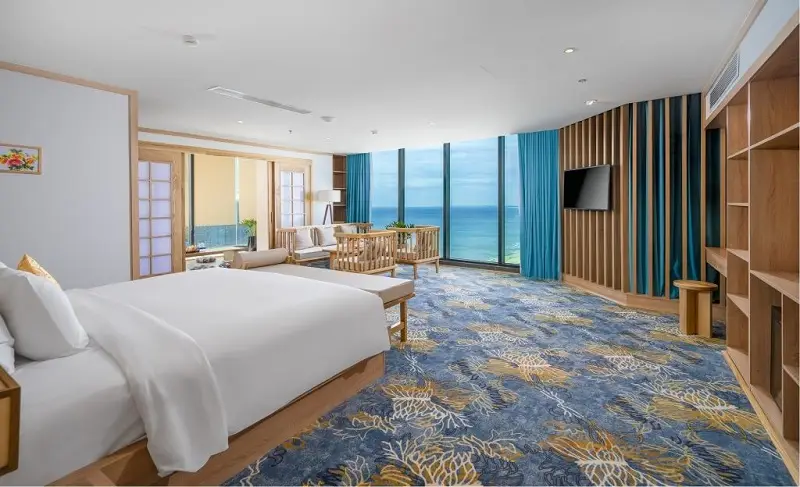
Best Hostels & Hotels in Hue City
Find the perfect hostel with top ratings on Hostelworld. Secure your bed today with zero booking fees!
2. Travel Guide to Hue and the Imperial City
2.1. Transportation to Hue City
To get to Hue, you have many convenient options:
- Airplane: The fastest option, ideal if you are far away or have a tight schedule. The plane will land at Phu Bai Airport, about 15km from the city center.
- Train: A romantic experience for those who enjoy leisurely sightseeing. Hue Station is located right in the center, making it very convenient for further travel.
- Queen Cafe Bus sleeper bus: This is the perfect balance between cost and comfort. Queen Cafe Bus offers a premium limousine experience, allowing you to relax throughout your journey. Notably, the bus takes you directly to No. 7 Doi Cung – a central location, enabling you to start exploring the ancient capital immediately without worrying about additional transportation.
Refer to the price list for Queen Cafe Bus's main routes below:
| BUS ROUTE TO HUẾ | PRICE | BOOK TICKETS |
| Hanoi ⇔ Hue | 350.000 VNĐ – 550.000 VNĐ | Place it here |
| Da Nang ⇔ Hue | 150.000 VND/pax | Place it here |
| Hoi An ⇔ Hue | 150.000 VND/pax | Place it here |
| Ninh Binh ⇔ Hue | 350.000 VNĐ – 500.000 VNĐ | Place it here |
| Quang Binh ⇔ Hue | 180,000 VND | Place it here |
For the fastest consultation and ticket booking, please contact us. Queen Cafe Bus through:
- Hotline: 0906.413.468 – 0914.215.809
- Zalo: 0905.746.884 – 0914.215.809
- Website: https://queenbus.com.vn/
- Fanpage: Queen Cafe Open Bus

2.2 Traveling from the city center to Hue Imperial City
Once you arrive in Hue, visiting the Imperial City of Hue is very convenient with many options:
- Walking: Ideal if you are near the center (about 1-3 km), allowing you to experience the city's ancient atmosphere.
- Cyclos: A unique experience, relaxing sightseeing and listening to stories about Hue, taking you straight to the city gate.
- Motorcycle: Rent a motorcycle to freely explore every corner and plan your own itinerary.
You can contact Dong Xanh Motorbike Rental at 0787 671 111 or Kevin Motorbike at 0937 467 575, depending on the convenience and suitability of the locations in your itinerary.
- Taxi/Ride-hailing: Convenient and fast if you want to travel comfortably.
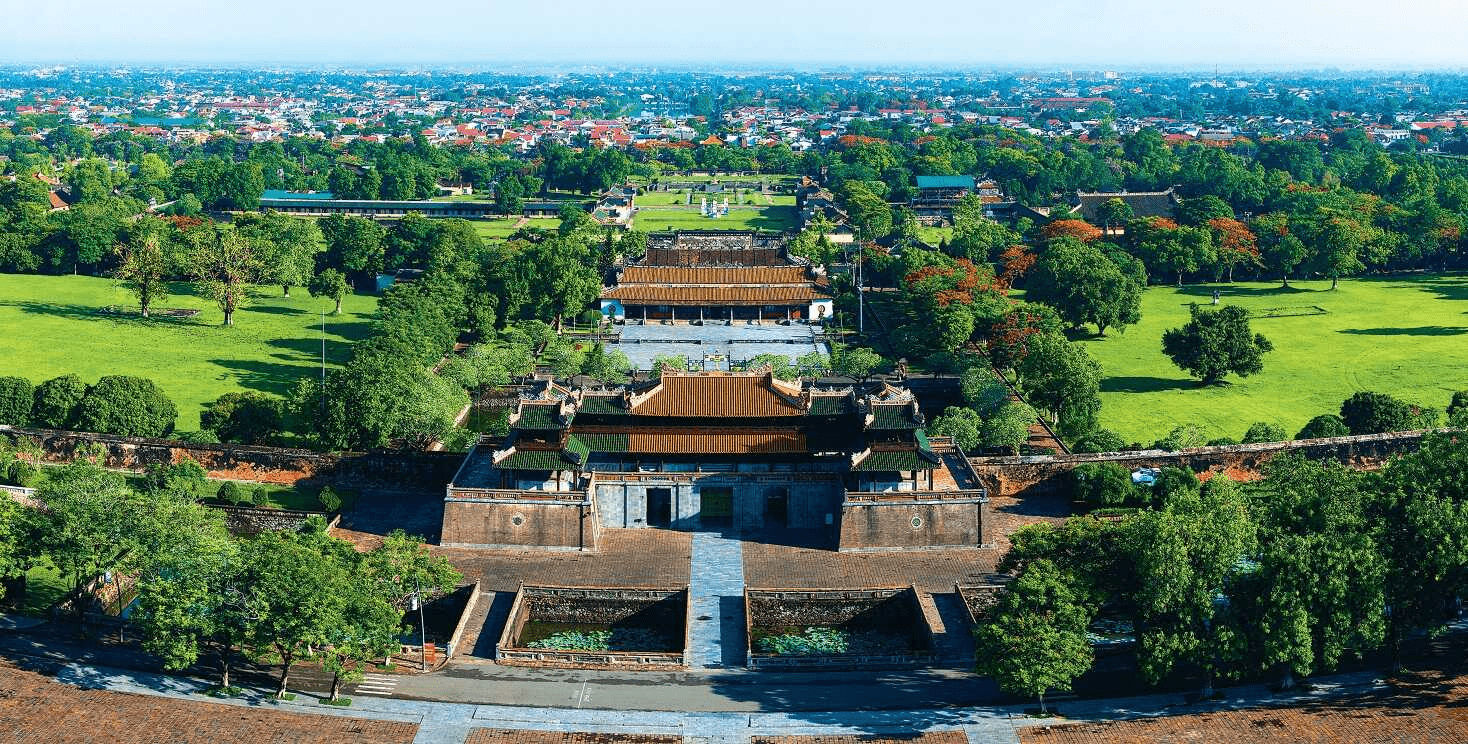
3. Discover the Architecture of Hue Imperial City: Three Concentric Walls
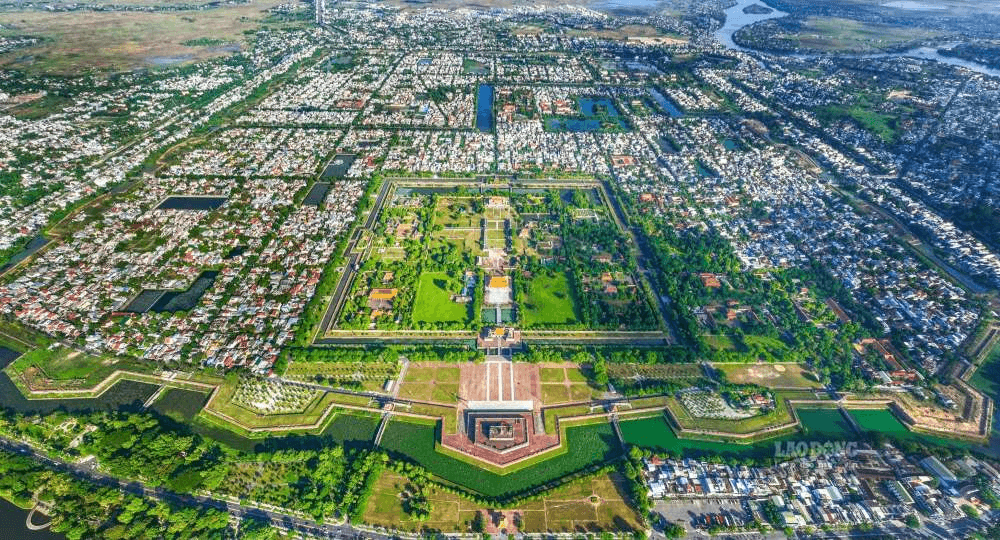
The architecture of Hue Imperial City is truly a masterpiece, a perfect blend of ancient Eastern feng shui philosophy and Western military thinking (Vauban style). The entire area is designed with three concentric walls, symbolizing the stability, authority, and permanence of the dynasty, while also reflecting the clear hierarchy in the feudal power structure.
3.1. Round 1: Imperial City – A Solid Defensive Line
The outermost ring, encircling the entire capital, is the Imperial City of Hue. With an impressive circumference of over 10km, an average height of 6.6m, and a thickness of up to 21m, this solid defensive layer was built with brick and stone, featuring Vauban-style architecture with a system of fortresses and ramparts. The deep and sturdy moat surrounding it further enhances its defensive capabilities, reflecting the Nguyen emperors' fierce determination to protect their beautiful country.

3.1.1. The massive 13-gate system
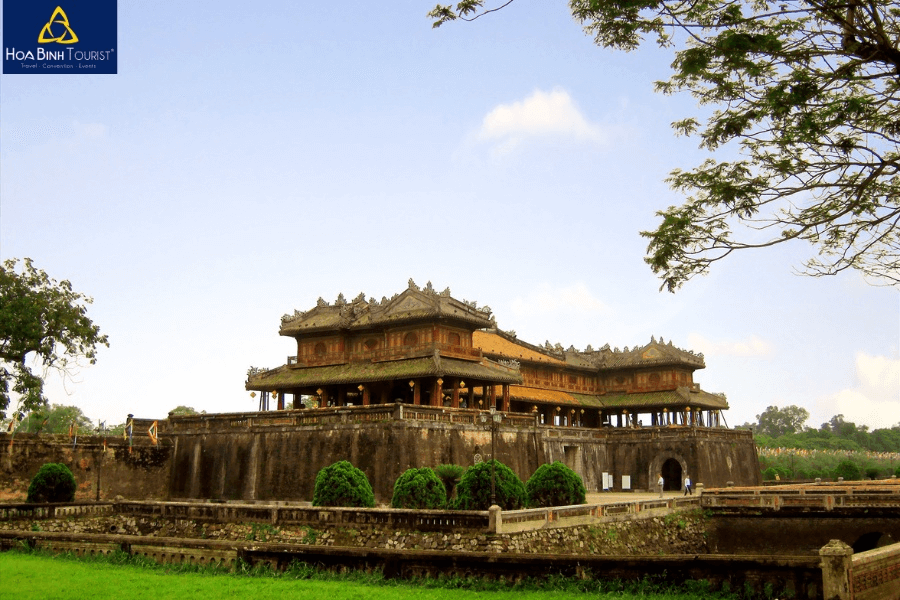
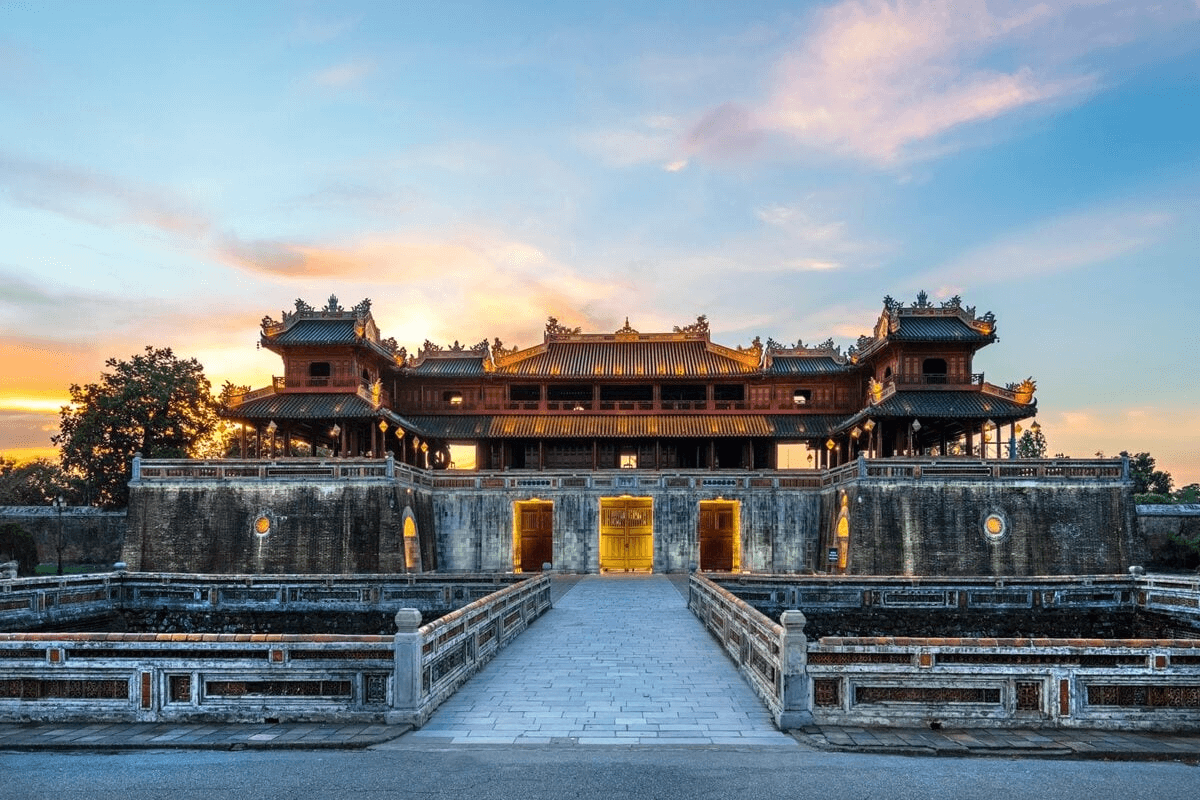
The Imperial City of Hue is protected by a system of 13 sturdy gates, each serving as a strategic gateway with its own name and mission. The most prominent and majestic of these is the Ngọ Môn Gate, which is not only the main entrance to the Imperial City but also a "stage" of power. This is where the court held the most important ceremonies such as military parades, royal decrees, and ceremonies to honor talented individuals.
3.2. Round 2: Imperial City – Center of Power
Located right inside the Imperial City is the Royal Citadel, also known by its familiar name, the Grand Palace of Hue. This was the center of power for the dynasty, housing the royal court, temples dedicated to the Nguyen emperors, and the residence of the royal family. The Imperial City is surrounded by a wall nearly 6 meters high, with a circumference of about 2.5 kilometers, reflecting the solemnity and sacredness of the imperial court.
3.3. Round 3: The Forbidden City – The Mysterious Inner Palace
The Forbidden City is the innermost walled enclosure, the most private and mysterious area, where the emperor and his royal family lived and worked. It was once an absolutely forbidden zone, with very few commoners allowed to enter, reflecting the sacredness and supreme power of the emperor, a space completely isolated from the outside world.
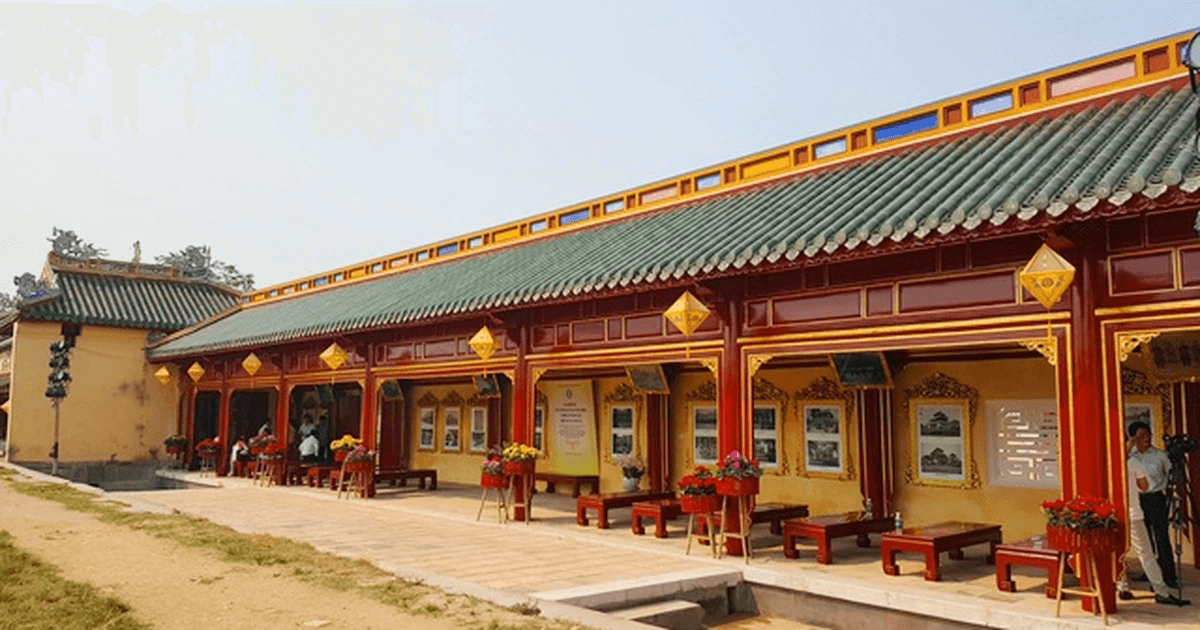
4. Visiting Hue Imperial City: Notable Structures Inside the Imperial Enclosure
When the gates of Hue Imperial City open, you will feel as if you have stepped into an enchanting fairy tale world. Each unique architectural structure here bears the marks of time and golden historical stories. Join Queen Cafe Bus to discover the highlights that cannot be missed in the solemn yet magnificent space of Hue Imperial City.
4.1. Areas Outside the Imperial Citadel
4.1.1. Flagpole
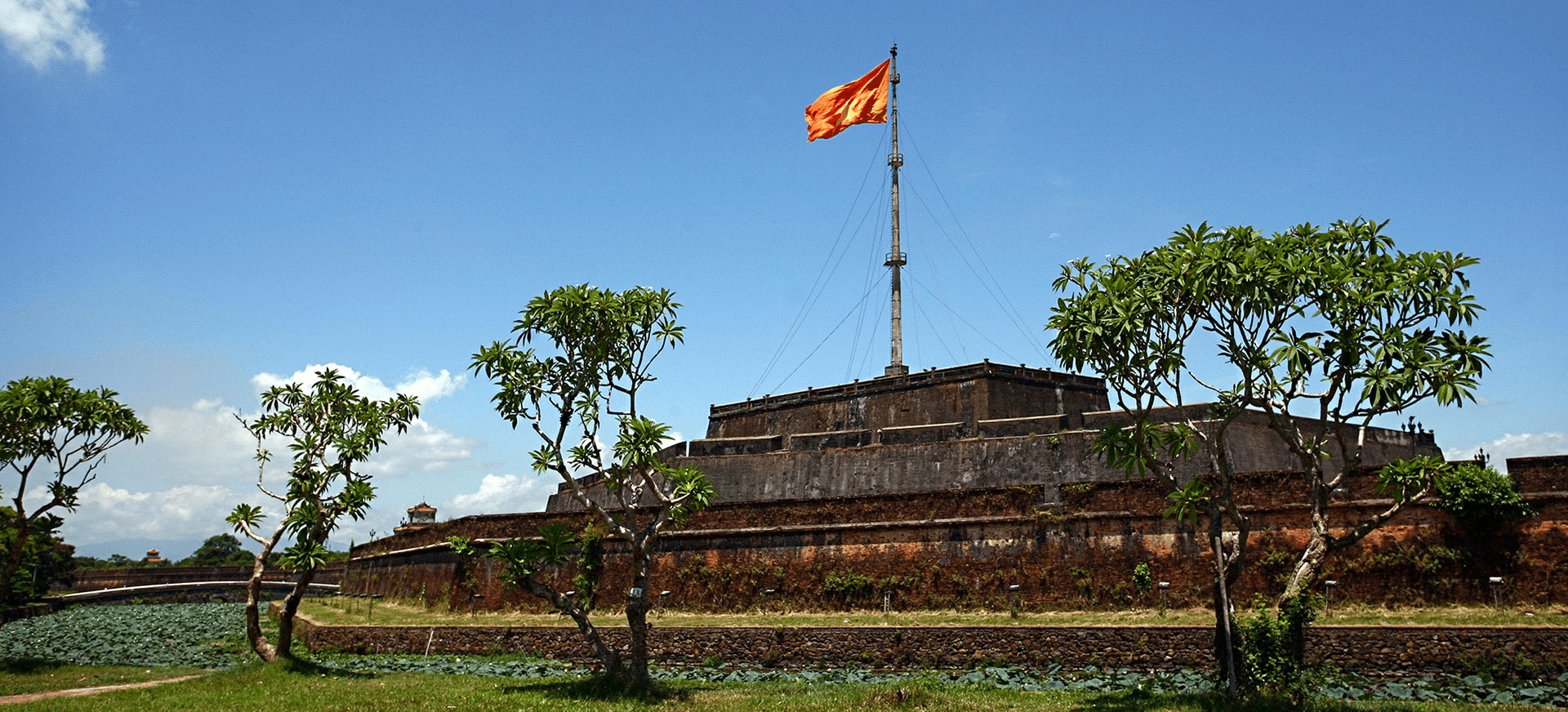
Just before Ngọ Môn Gate, visitors will see the towering Kỳ Đài, also known as the Hue Flagpole, a proud symbol of the ancient capital. This is where the royal flag flutters in the sky, creating a majestic and historically significant scene, like a welcome to visitors.
4.1.2. Nine Divine Powers
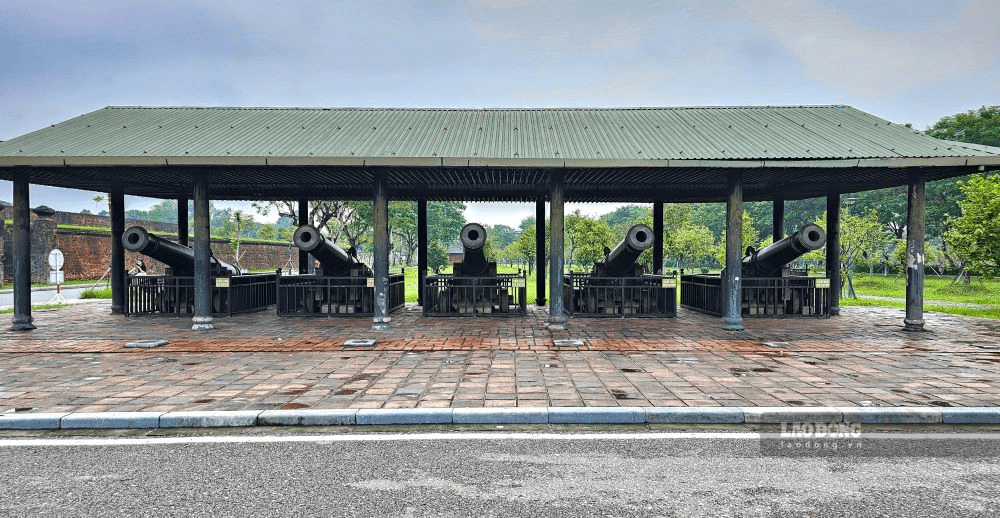
Not far from Ky Dai is Cuu Vi Thien Cong, nine giant cannons, each representing a Nguyen dynasty emperor. They are not only weapons but also exquisite bronze castings, showcasing the masterful skills of the craftsmen and the flourishing bronze casting technology under the Nguyen dynasty.
4.2. Explore the Imperial City (The Inner City of Hue)
Passing through Ngo Mon Gate, visitors officially set foot in the Imperial City, where the power and splendor of the Nguyen dynasty are most clearly expressed through each structure.
4.2.1. Ngo Mon Gate
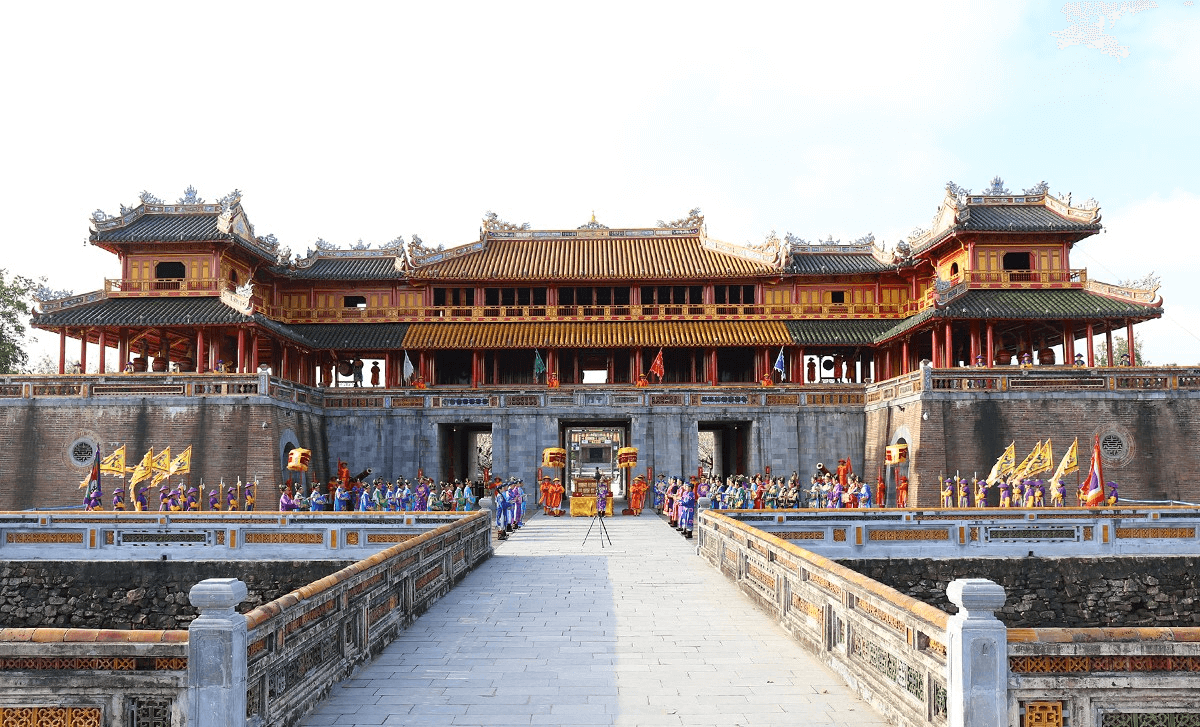
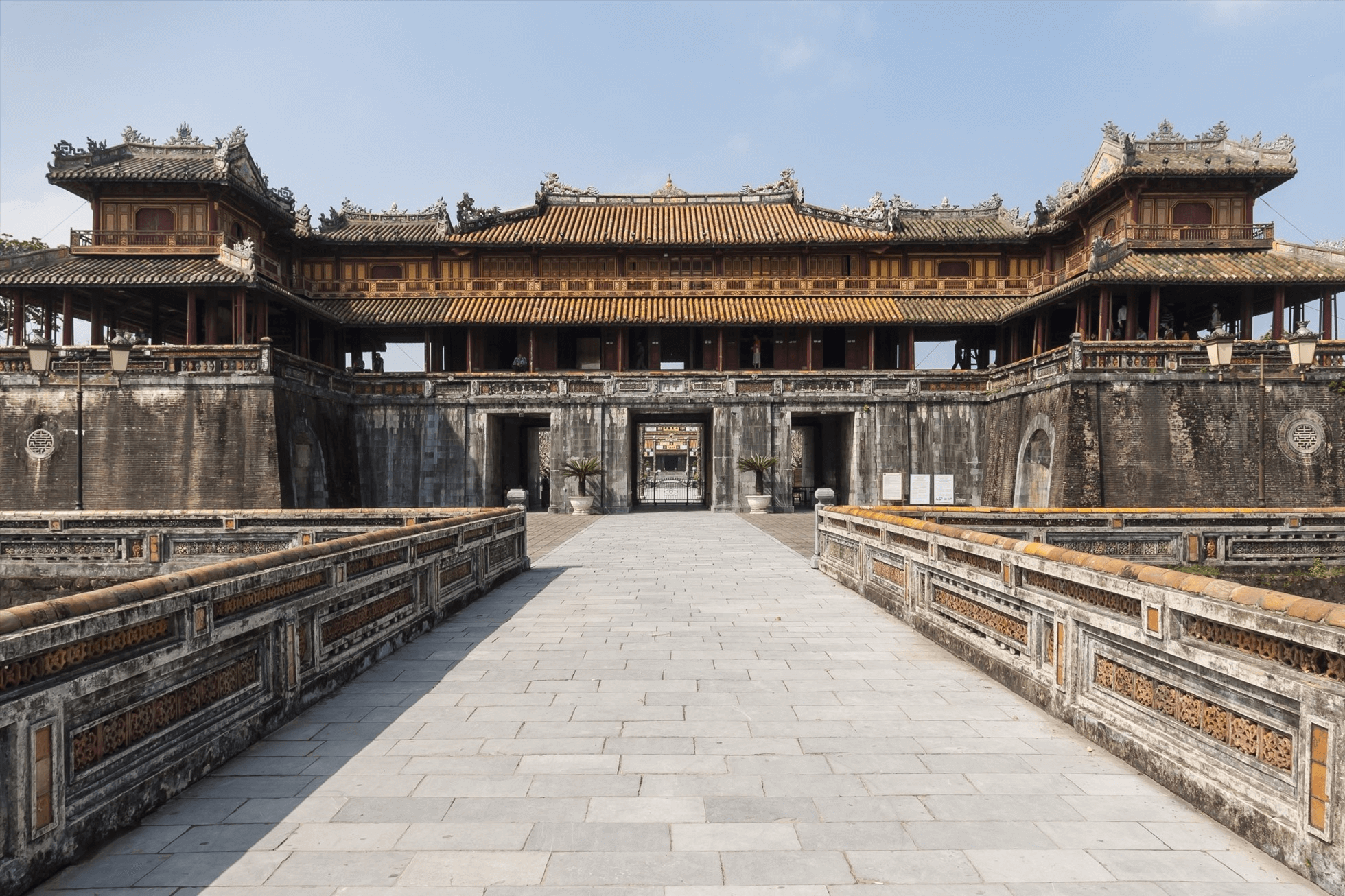
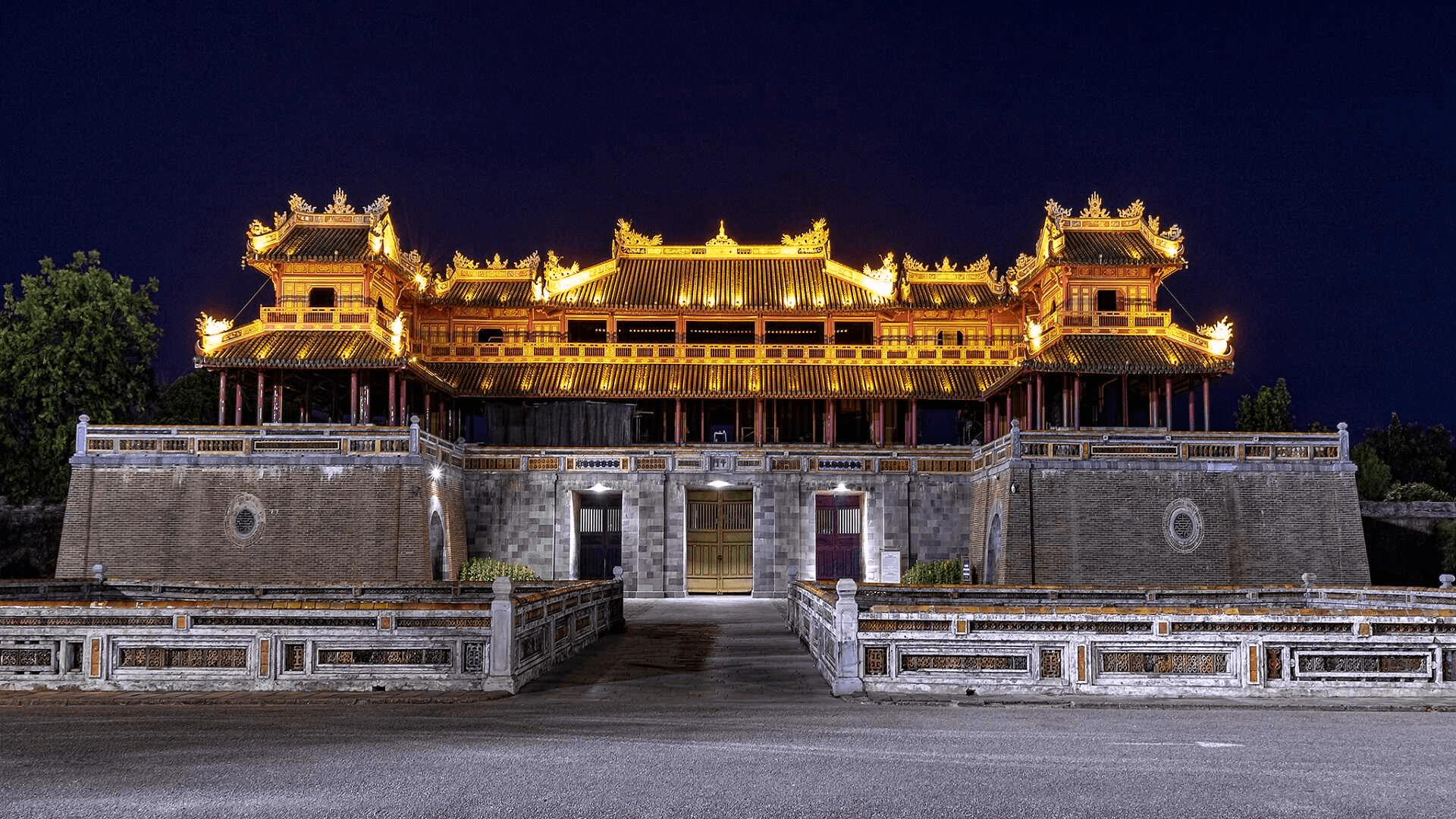
The Ngọ Môn Gate is the main entrance to the Imperial City, an incredibly impressive architectural structure with five passageways and the magnificent Ngũ Phụng Pavilion. The central passage was reserved exclusively for the emperor, while the two side passages were for civil and military officials. This place was once the stage for the most important ceremonies of the court, from calendar-setting ceremonies, military parades, to the announcement of the list of doctors, leaving anyone who came in awe of its majesty and splendor.
4.2.2. Thai Hoa Palace and Dai Trieu Nghi Court
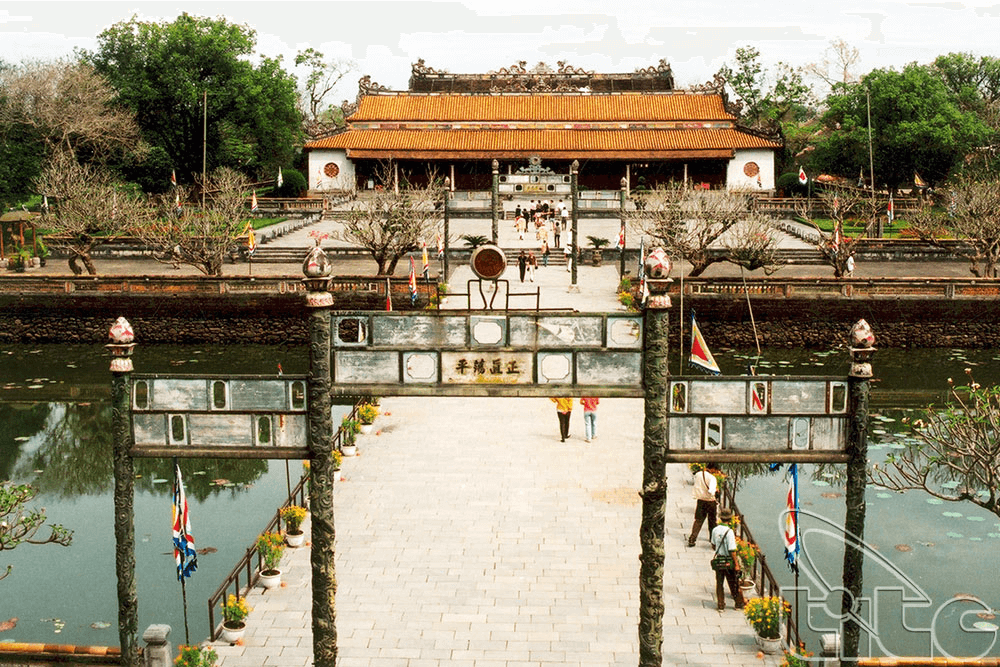
Right after Ngọ Môn is Thai Hoa PalaceThe most magnificent wooden architectural structure, where 13 Nguyen kings were crowned and held grand court sessions and important ceremonies. The front courtyard of the palace is the Grand Court Ceremony Courtyard, with two rows of civil and military officials standing in attendance, creating a solemn and powerful scene that recreates the atmosphere of ancient court politics.
4.2.3. The Temple of the Founding Emperor and the Hall of Illustrious Forest
The Ancestral Temple is a sacred place of worship for the first ten emperors of the Nguyen dynasty, expressing the reverence and gratitude of their descendants.
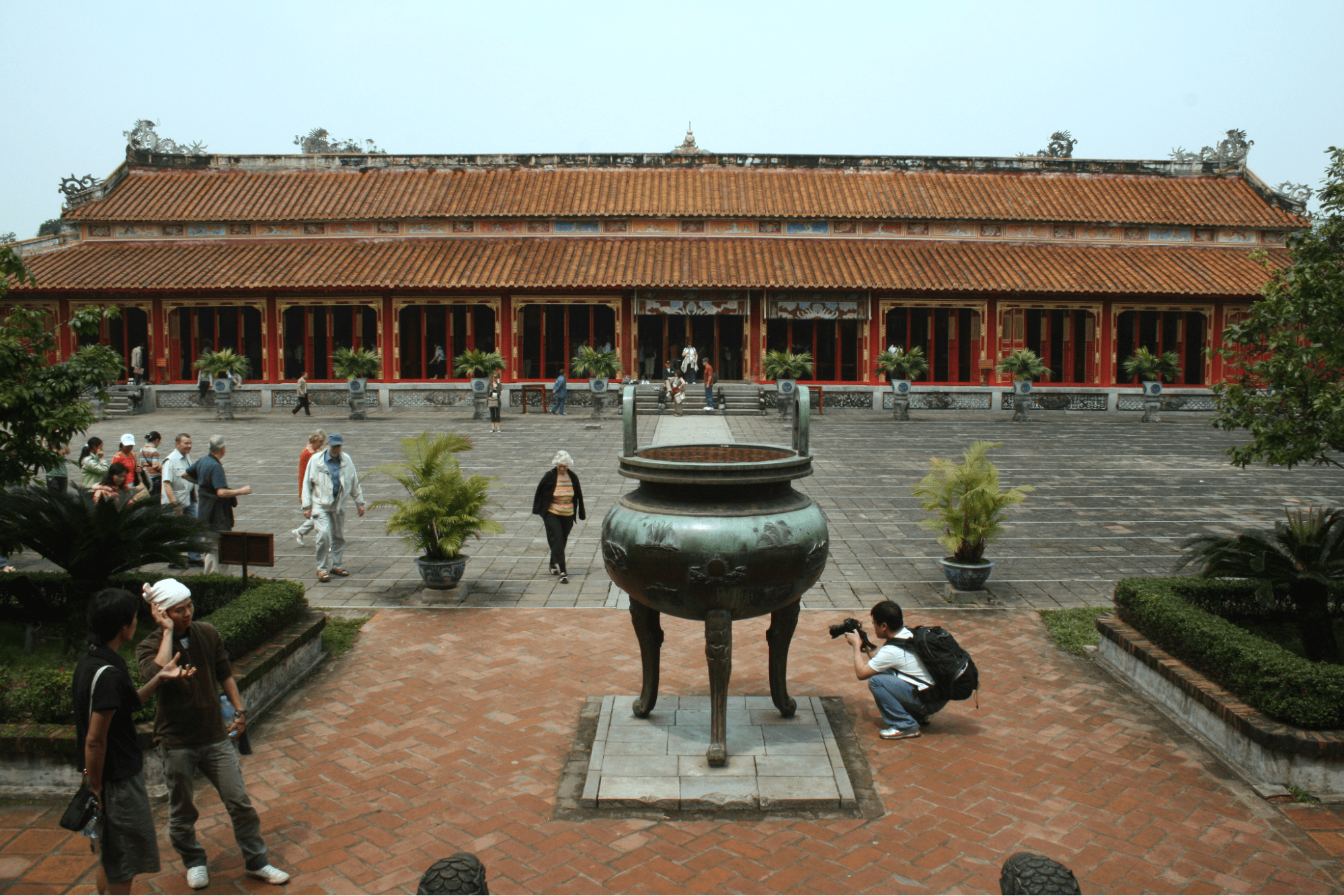
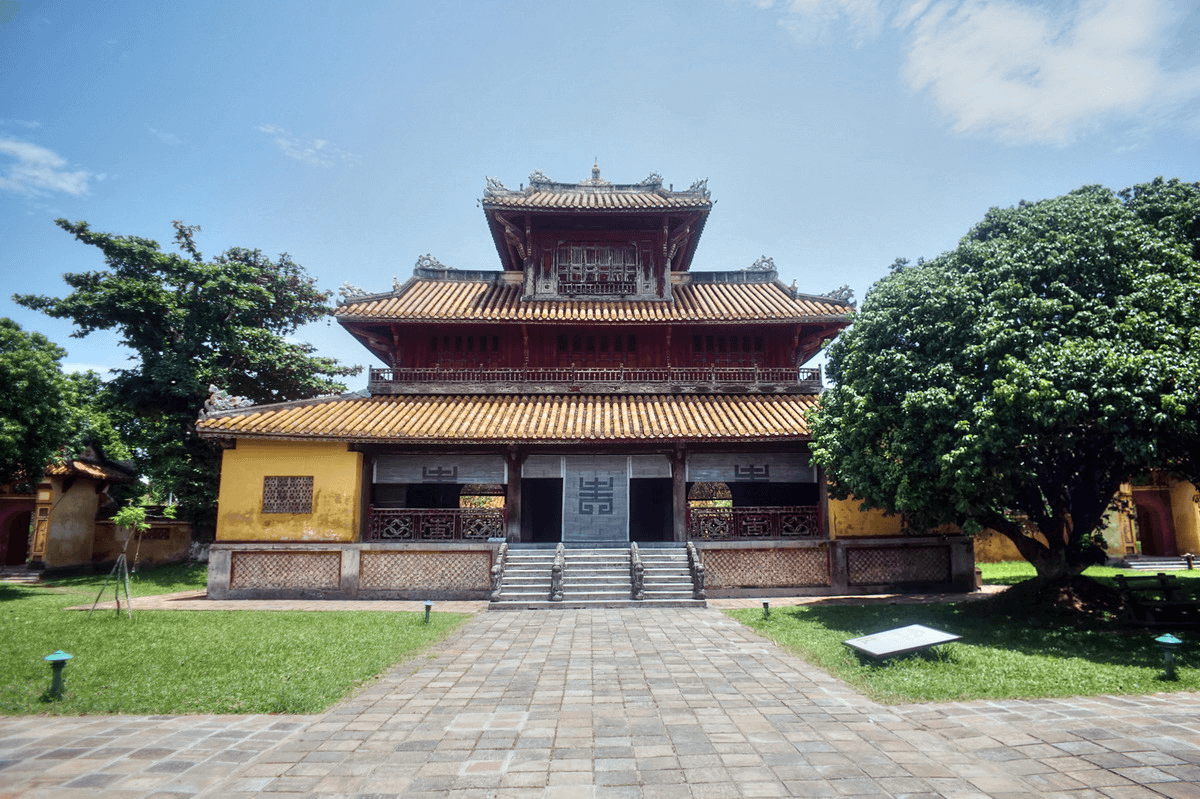
Opposite is Hien Lam Cac, a unique three-story architectural structure, often used to store important documents and records of the royal court, and at the same time a symbol of the majesty and wisdom of the royal dynasty.
4.2.4. The Palace of Longevity and the Palace of Everlasting Life
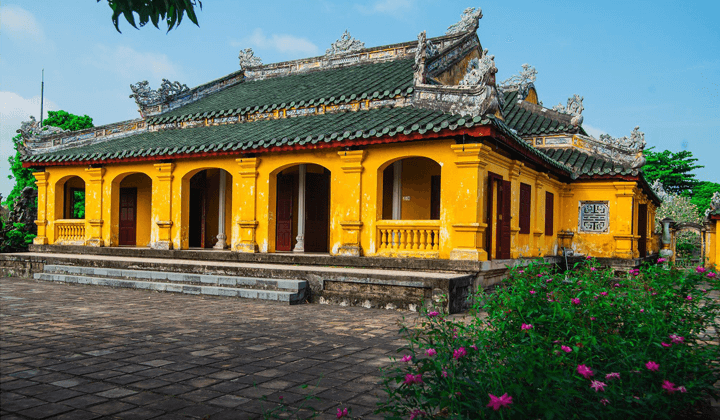
Dien Tho Palace was the residence of the Grand Empress Dowager and Empress Dowager, while Truong Sanh Palace was the retirement home for the queens in the palace. These two palaces exude a peaceful, tranquil beauty, with exquisite architecture and lush green gardens, contrasting sharply with the grandeur of the main buildings and offering a different perspective on royal life.

4.3. Discovering the Forbidden City
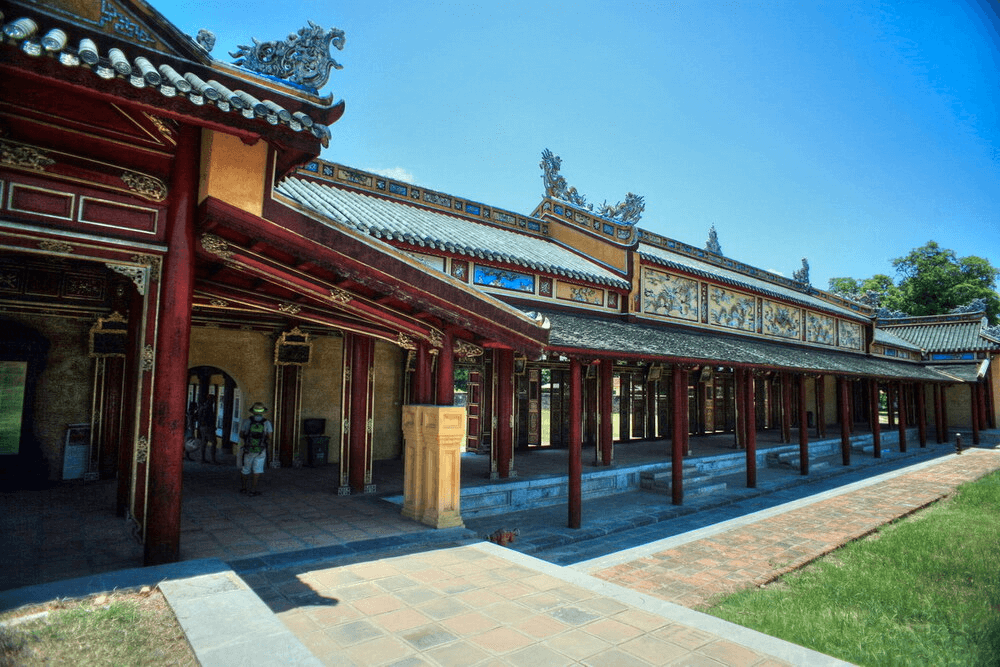
The Forbidden City is the innermost walled enclosure, the most private and mysterious area, where the emperor and his royal family lived and worked. Although many structures have been destroyed, the remaining traces are still enough to evoke a sacred and mysterious space.
4.3.1. Can Chanh Power Plant
Can Chanh Palace was once where the king worked, received officials, and reviewed memorials. Although it was severely damaged by war, the remaining traces still reveal the grandeur and importance of this building in the Nguyen dynasty's administrative system.
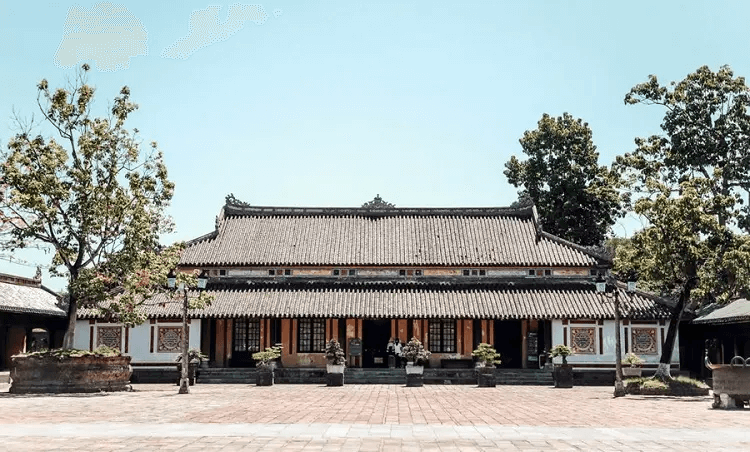
4.3.2. Can Thanh Palace and Khon Thai Palace
The Can Thanh Palace was the main residence of the emperor, while the Khon Thai Palace was the residence of the empress. These were the central structures within the Forbidden City, where the daily life of the royal family unfolded, witnessing the joys and sorrows, the worries and concerns of the imperial rulers.
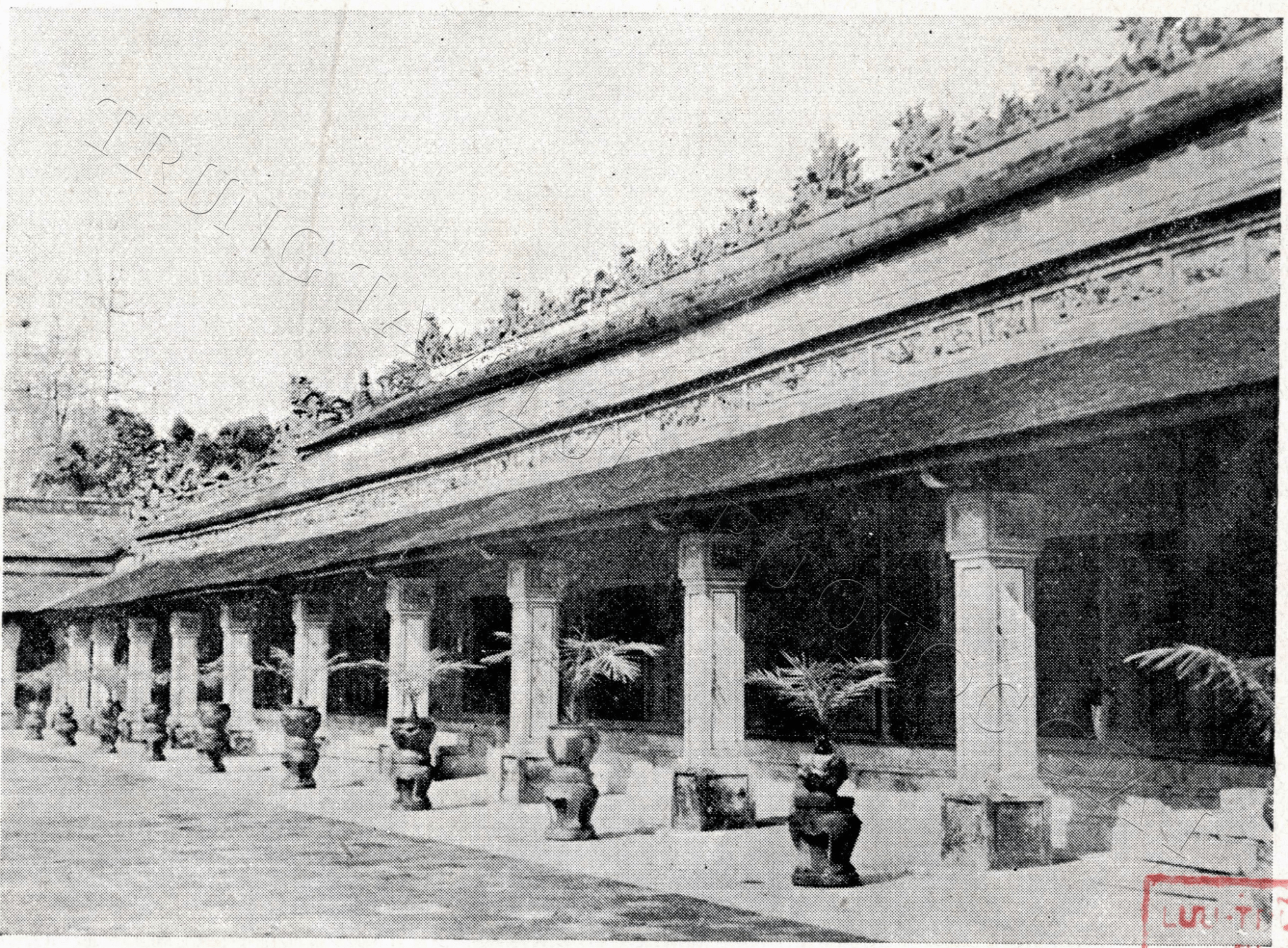
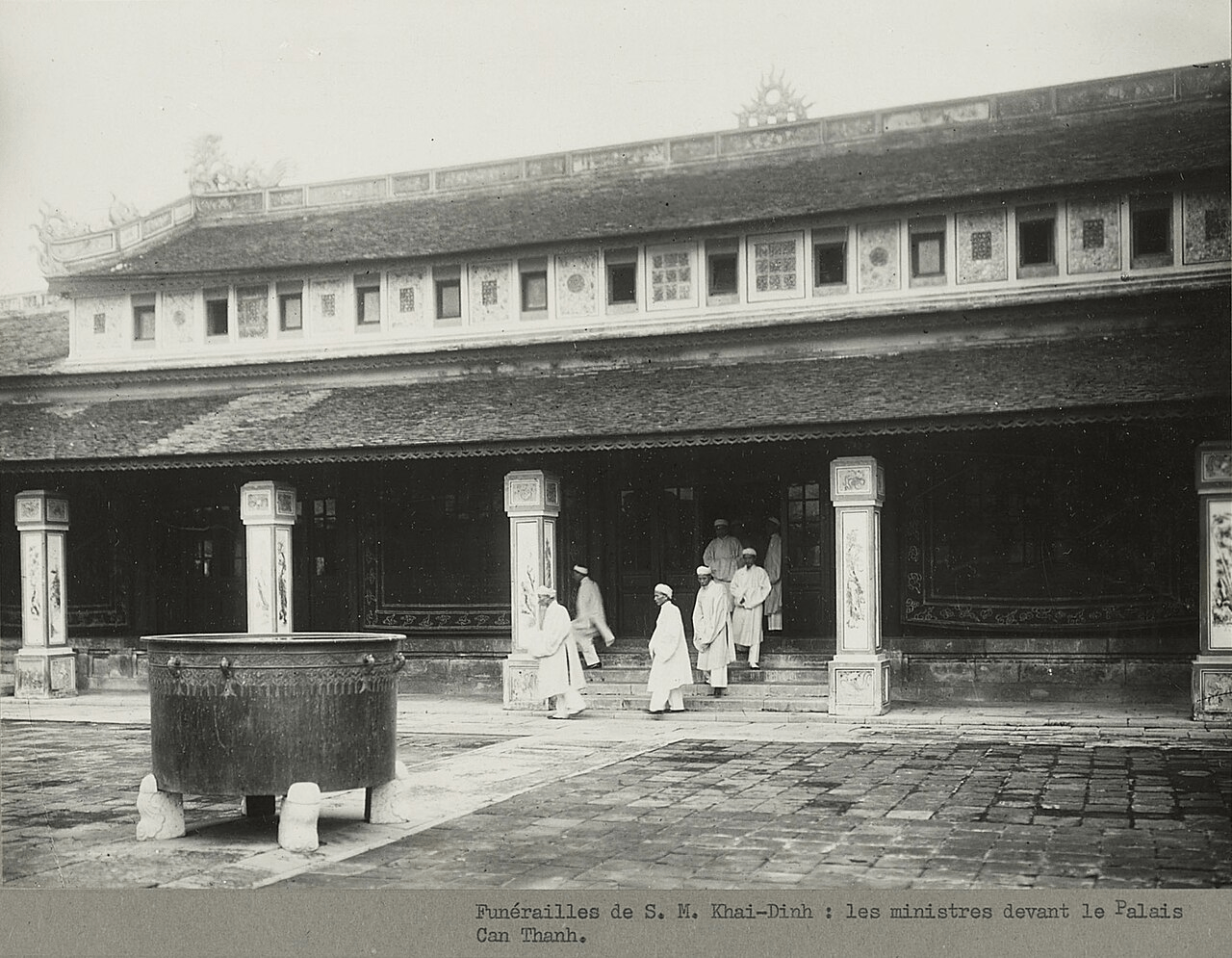
4.3.3. Reviewing the Market
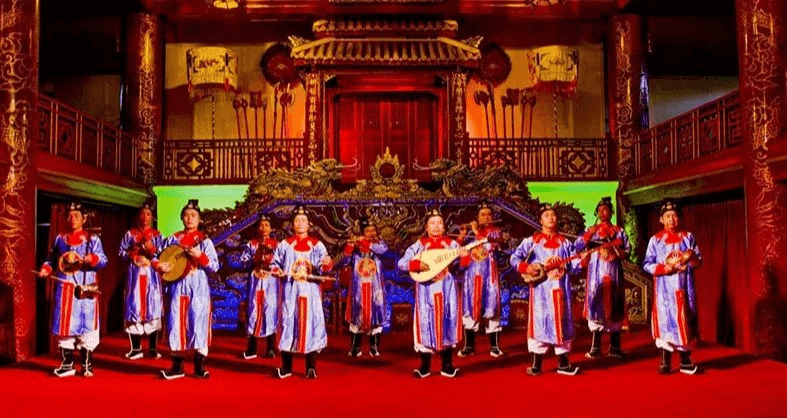
Visitors should not miss Duyệt Thị Đường, Vietnam's oldest royal theater. This is where Hue royal court music and other traditional art forms are performed exclusively for kings and queens. It is a wonderful destination to immerse yourself in traditional music, experience royal court culture, and appreciate UNESCO-recognized artistic heritage.
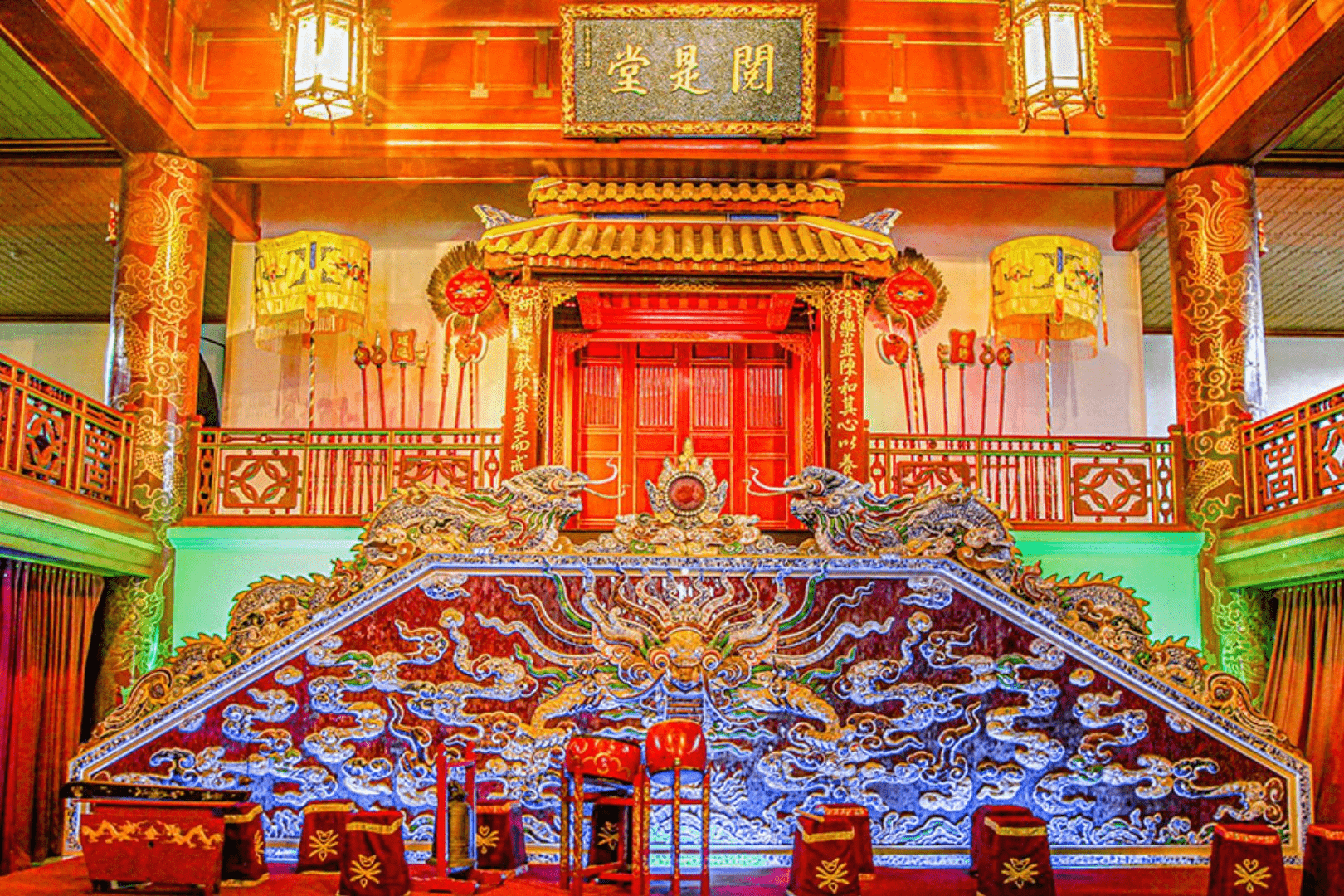
4.3.4. Thai Binh Tower and Thieu Phuong Garden
Thai Binh Lau was where the king read books and rested, while Thieu Phuong Garden was a beautiful royal garden where the king and royal family enjoyed the natural scenery and sought peace amid palace life. These structures reveal a more ordinary, intimate side of the emperor.
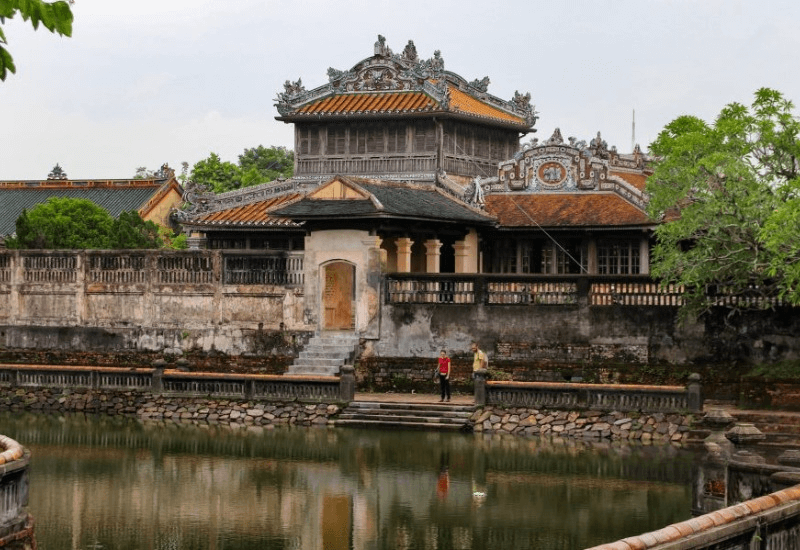
4.3.5. Dien Kien Trung
Kien Trung Power Plant Notable for its unique architecture, it is a harmonious blend of traditional Asian style and modern French architecture. This was where Emperor Bao Dai and Empress Nam Phuong often lived and received guests, bearing the distinct mark of the late Nguyen dynasty.

5. History and Timeless Impressions of Hue Imperial City
5.1. Description of the Imperial City of Hue through the dynasties
Construction began in 1805 during the reign of Emperor Gia Long and was completed nearly 30 years later under Emperor Minh Mang. Hue Imperial City became the center of power for the Nguyen dynasty for 143 years (1802-1945). It witnessed the rise and fall of Vietnam's last feudal dynasty.
Despite the turmoil of war and the passage of time, the remaining structures still evoke a glorious past. In 1993, the Hue Imperial City complex was recognized by UNESCO as a World Cultural Heritage Site, affirming its enduring historical value.
5.2. The area of Hue Imperial City and its feng shui significance
Above area of Hue Imperial City spanning 520 hectares, each structure is not built randomly but follows strict feng shui principles.
The location of the capital city is considered a prosperous land, with Ngự Bình Mountain serving as a protective screen behind it, and two mounds (Hến Mound and Dã Viên Mound) acting as the "Left Azure Dragon and Right White Tiger" flanking it. Perfume River The winding path in front creates a "water-gathering courtyard." All these elements are combined with the desire for a prosperous and enduring dynasty.
6. Must-Try Experiences When Traveling to Hue Imperial City
When you come to Hue tourist destinations With this symbolism in mind, don't forget to record the following unique experiences to make your trip more memorable and rich with the flavor of the ancient capital.
6.1. Enjoy court music at Duyet Thi Duong
One of the most unique experiences at Duyệt Thị Đường is enjoying Hue court music. These ceremonial melodies, both majestic and refined, vividly recreate the cultural space of the ancient royal court, helping you better understand the lives of kings and queens through the lens of art.
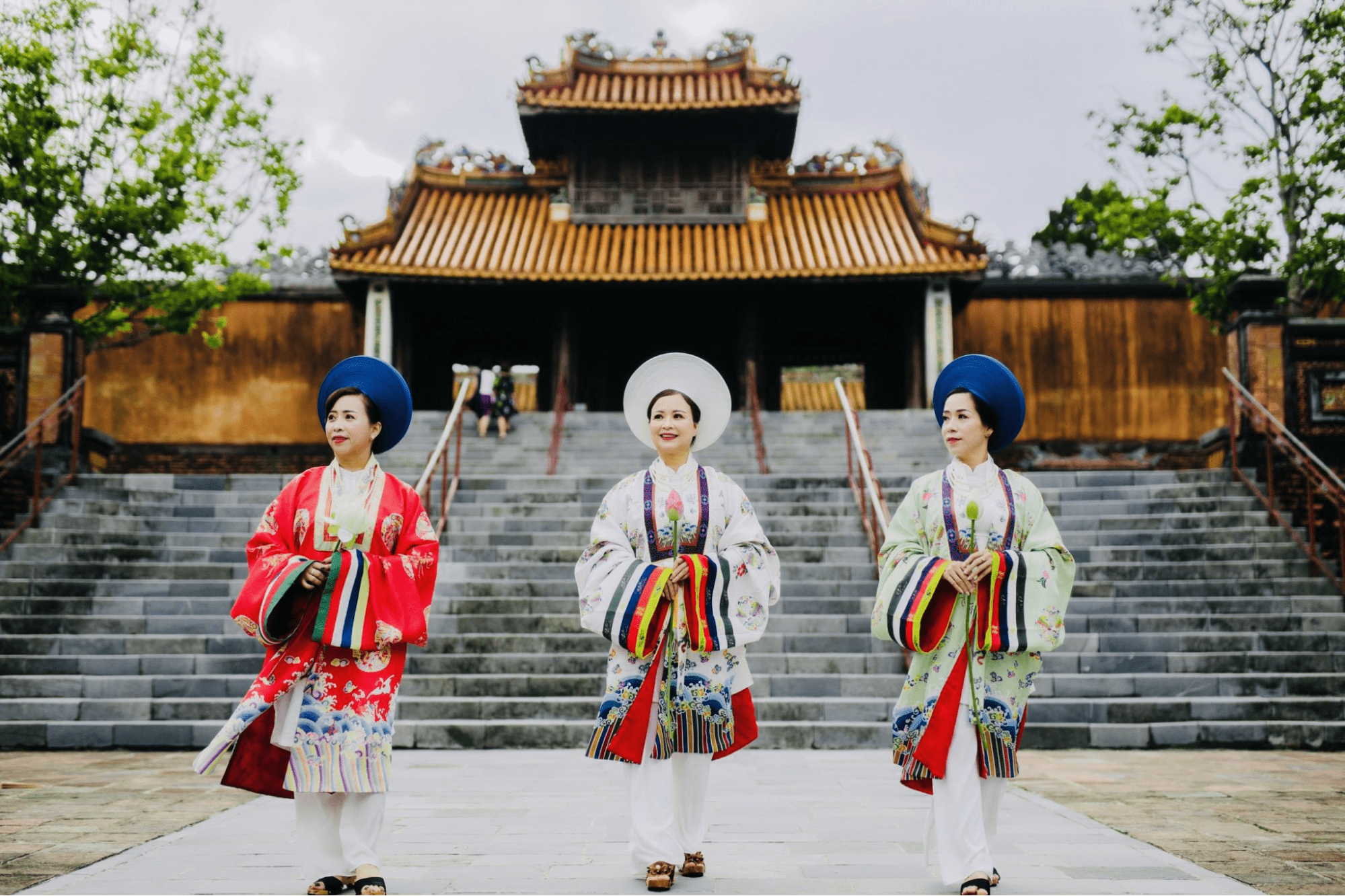
6.2. Wear traditional costumes and take pictures of the sparkling Imperial City of Hue
Would you like to transform into a court lady, beauty, or a prince or princess of ancient times? There are many shops renting traditional costumes right in the Hue Imperial City area, offering a wide variety of styles and colors. Dress up in traditional attire and take stunning photos of Hue Imperial City. You are sure to have unique memories and "lifelong" photos with a magnificent, ancient backdrop.
6.3. Participate in unique reenactment festivals
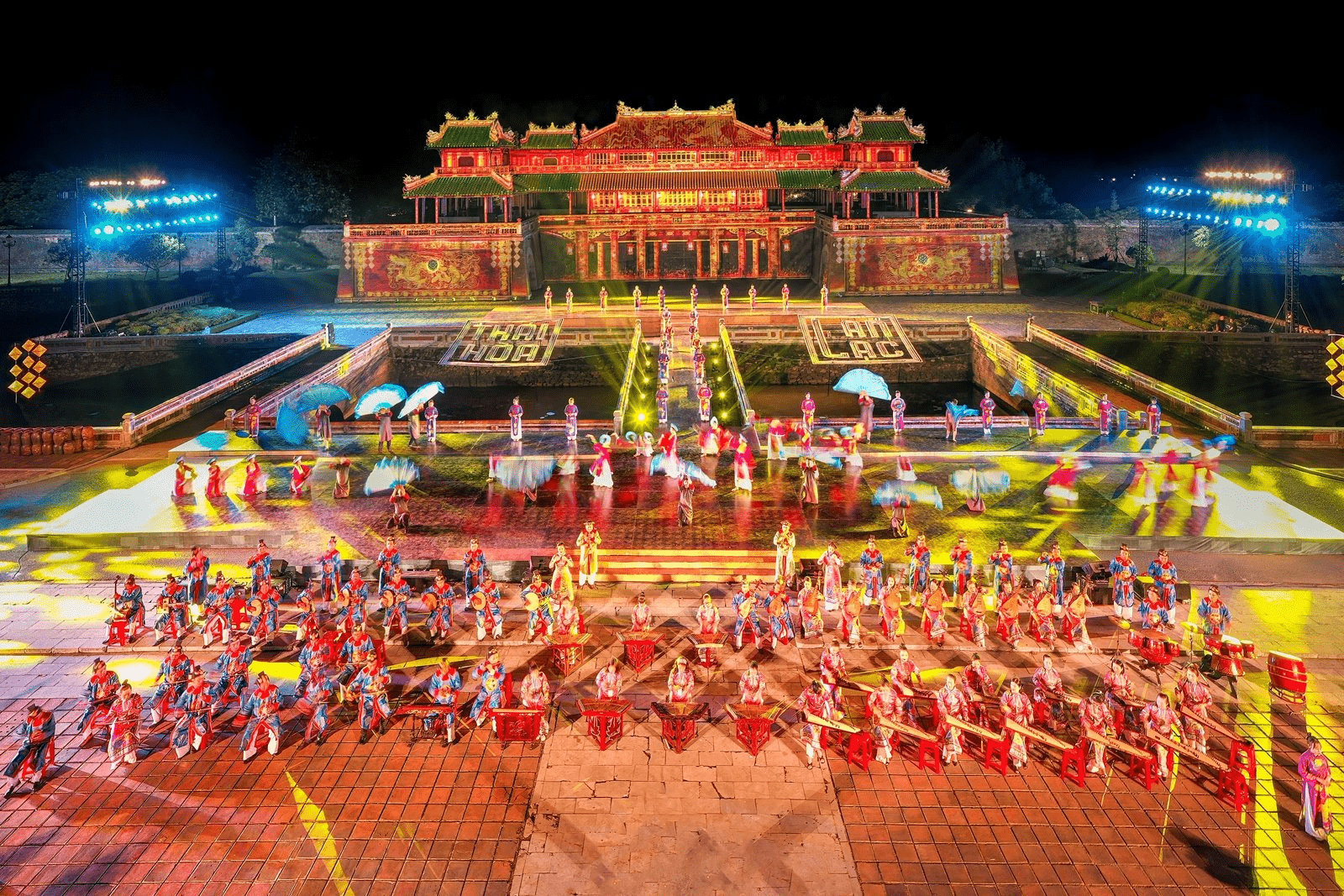
For the most special experience, try planning your trip to Hue to coincide with major festivals. You will have the opportunity to immerse yourself in the solemn atmosphere of meticulously reconstructed royal ceremonies such as the Ban Soc Ceremony or the Sacrificial Ceremony. This is the most vivid way to experience the cultural depth and spiritual life of the Nguyen dynasty.
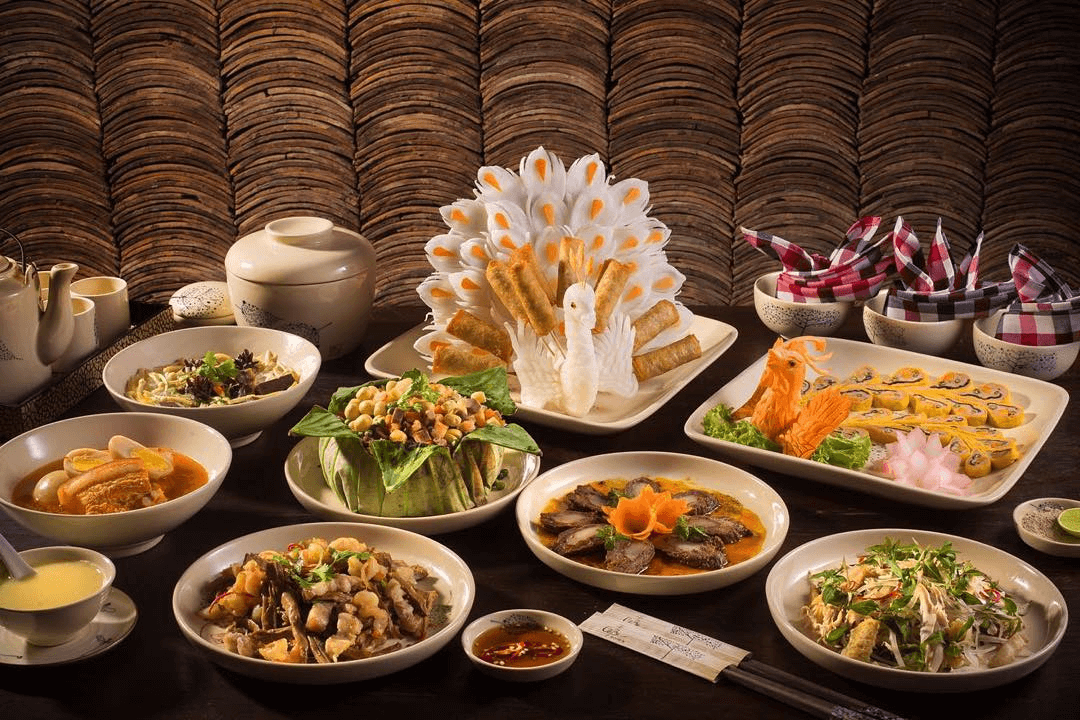
6.4. Discover royal cuisine and Hue specialties
Your journey exploring Hue Imperial City would not be complete without its distinctive culinary chapter. After strolling through the Imperial City, let your taste buds continue their journey with famous dishes: from beef noodles, grilled pork rolls, savory pancakes to small Hue cakes and elegant royal desserts. Each dish is a work of art, capable of winning over even the most discerning diners.
7. Useful Guide and Experience for Visiting Hue Imperial City
To ensure your visit to Hue Imperial City is truly complete and you don't miss anything, be sure to "pocket" these useful tips.
7.1. When is the best time to visit Hue and tour the Imperial City?
The best time to explore Hue Imperial City is during dry season, from March to AugustAt this time, the weather is sunny and dry, with little rain, making it very favorable for travel and photography. Especially from March to May It is the most wonderful time of year with cool weather and mild sunshine, ensuring you have a truly comfortable trip.
Visitors should try to avoid traveling during the rainy season (September to January of the following year), as heavy rains can disrupt exploration itineraries and affect the visitor experience.

7.2. Dress code: Smart, comfortable, and appropriate for check-in
For a complete tour of Hue Imperial City, the ideal outfit should balance three factors: politeness, comfort, and photogenic appeal.
- Politeness & Respect: Prioritize modest clothing (such as long-sleeved shirts, pants, or skirts that extend past the knees) to show respect at the historical site.
- Comfortable & Energetic: Since the campus is very large and requires a lot of walking, choose a pair of comfortable sneakers/flat sandals and breathable clothing.
- Style & "Check-in": A flowing ao dai or an elegantly colored outfit would be the perfect choice for beautiful commemorative photos with a royal palace backdrop.

7.3. Some other important notes
To make your trip truly complete, Queen Cafe Bus shares some useful tips:
- Charge: Always carry a bottle of water and some snacks, because you'll be walking a lot.
- Weather response: Don't forget your hat, sunglasses, and sunscreen. A small umbrella is also very useful for both the intense sun and sudden rain showers in Hue.
- Understand the story more deeply: Your experience will be much more meaningful if you have a tour guide or an audio guide device with you.
- Civilized tourism: Let's work together to protect our heritage by maintaining cleanliness and refraining from touching the displayed artifacts.
- Capture every moment: Fully charge your devices and check the memory capacity. You'll definitely want to take pictures from every angle.
8. Final words
The Imperial City of Hue is not only a historical site, but also the soul of the ancient capital. Each structure, from the ancient city walls to the majestic Noon Gate, preserves the spirit of a golden dynasty and enduring cultural values. Here, you will not only visit, but also deeply feel the eternal beauty and grandeur of history.
Are you ready for this inspiring journey? Let Queen Cafe Bus accompany you on your trip to Hue. Book your Queen Cafe Bus sleeper bus ticket today to begin exploring and admiring the magnificent, meaningful beauty of Hue Imperial City!