


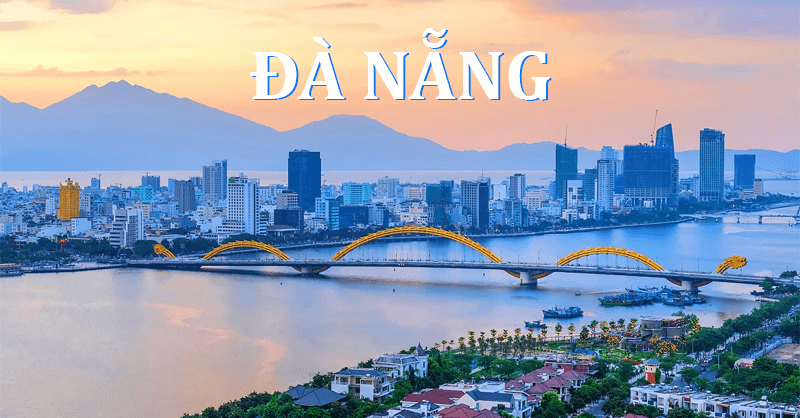
Which season is the most beautiful to travel to Da Nang? This is certainly the first question you search for when planning to visit this "livable city". Most answers will point to the dry season (March–August), but is that the only option? If you want to experience the unique "moss hunting" at Nam O beach, the answer will be different. If you want a budget-friendly trip, the timing will also differ. This article will provide a detailed analysis of the weather across 12 months and suggest "local-only" experiences so you can decide which season is the MOST BEAUTIFUL for you.
1. When is the best time to travel to Da Nang?
1.1. March – August (Best for swimming, outdoor activities)
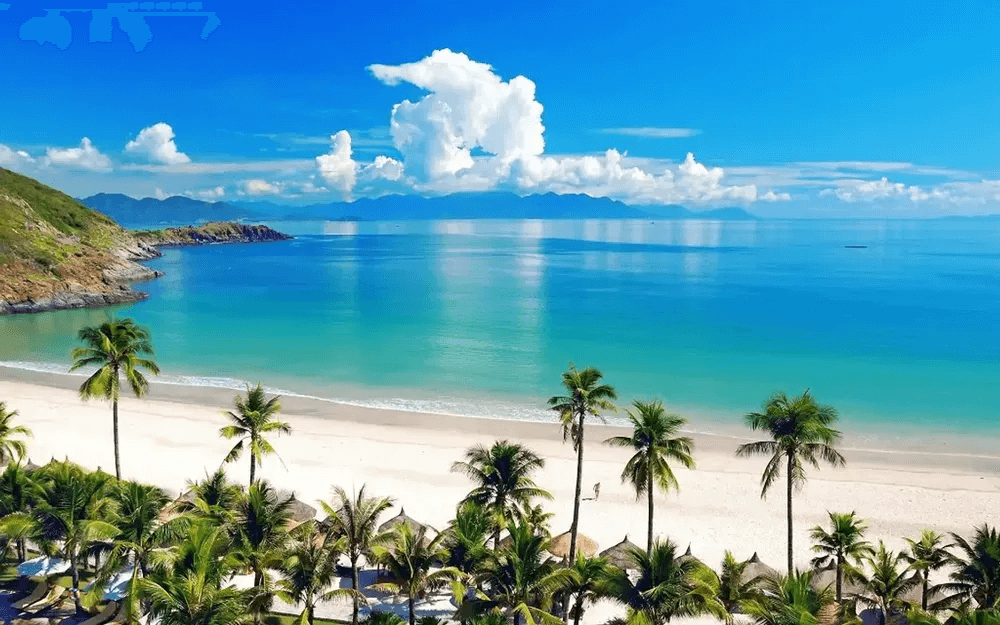
March to August is considered the ideal time to explore Da Nang. The weather is beautifully sunny, My Khe beach is crystal clear, Son Tra Peninsula is poetic, and Ba Na Hills is vibrant in the sunlight. This is also the peak tourist season, suitable for all activities such as swimming, snorkeling, or climbing the Ngu Hanh Son Mountain without worrying about wind or rain hindering you.
1.2. January – March (Best for unique, budget-friendly experiences)
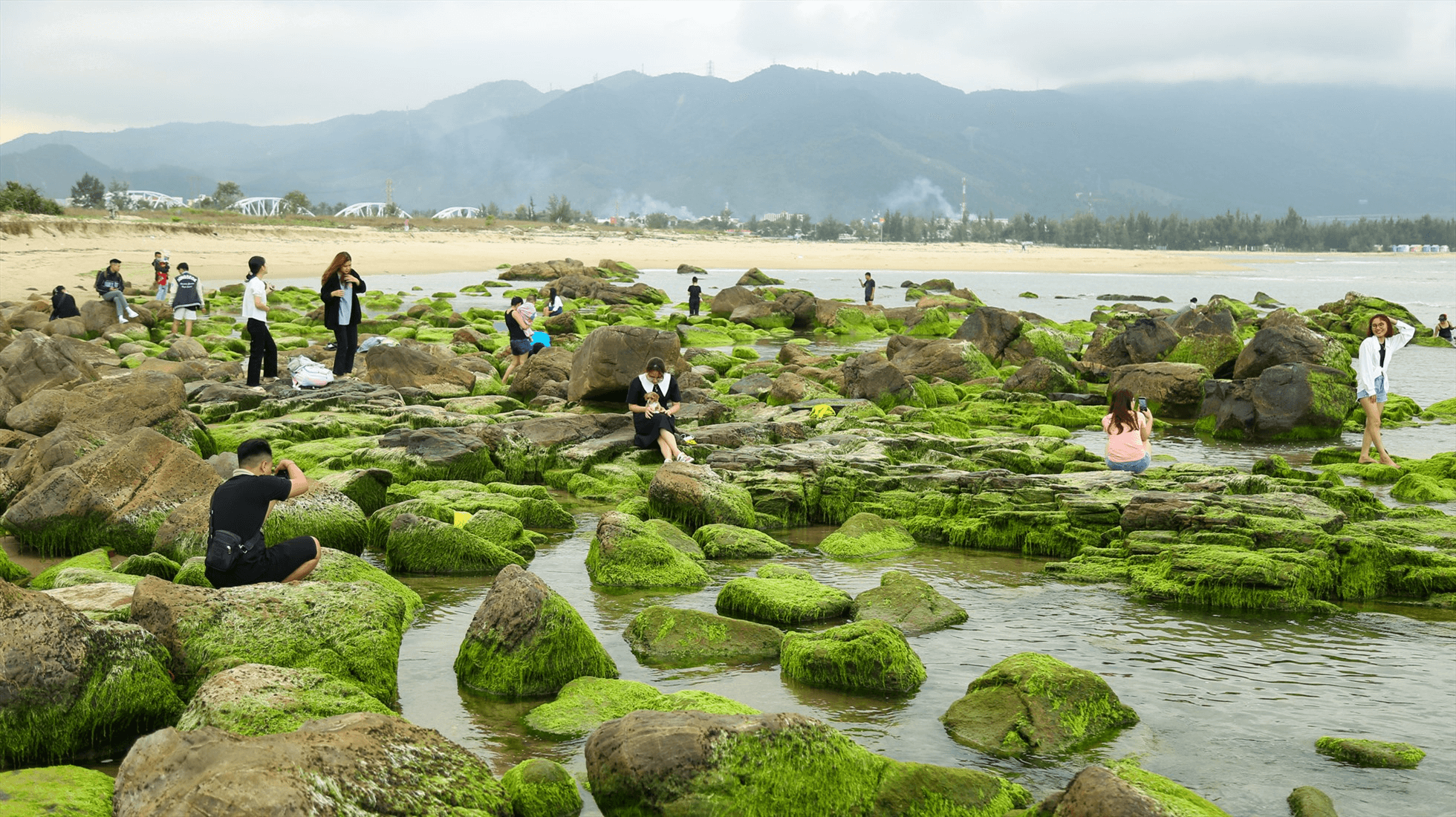
This Winter-Spring transition period brings a very different Da Nang with cool, pleasant weather. A special feature that few people know is the "green moss hunting" season at Nam O Beach. This is a fascinating natural phenomenon that you cannot see in the summer. The rocky shores covered in lush green moss create a surreal landscape. This is an experience that summer tourists will miss out on.
Tip: You must go early in the morning (around 5-6 AM) and time it right on the days the tide recedes for the moss to be revealed at its most beautiful.s
1.3. September – January (Budget travel season, fewer crowds)
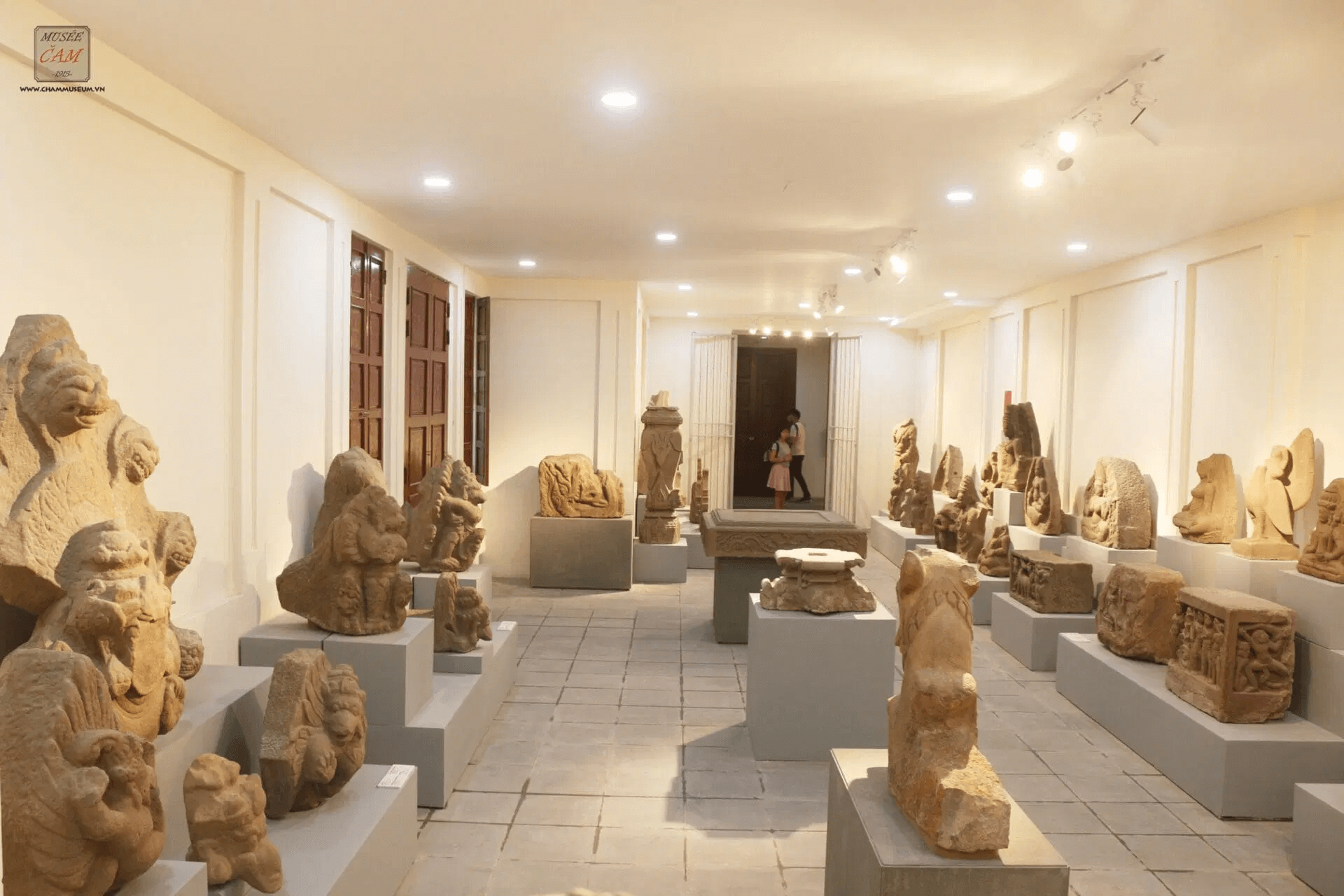
If swimming is not your top priority and you want to optimize your budget, the rainy season from September to January is a smart choice. Airfares and hotel room rates can be significantly cheaper compared to the peak season. The city is less crowded, making it suitable for a relaxing vacation, enjoying hot cuisine, visiting museums like the Cham Museum, or wandering around Con market.
2. Characteristics of Da Nang's climate with 2 distinct seasons (Rainy & Dry)
To better understand Da Nang's weather, you need to grasp the characteristics of its two main seasons. The tropical monsoon climate here creates a clear division between the dry season and the rainy season, each with its own pros and cons.
2.1. Dry season (Usually from March – August)
The dry season in Da Nang is marked by long sunny days, clear blue skies, and very low rainfall. Temperatures range from 26-32°C, and can reach up to 35°C during the peak months of June and July.
This is the golden time to participate in all outdoor activities such as swimming at My Khe beachexploring Ba Na Hills, and scuba diving at Cu Lao Cham. However, this is also the peak season, so you must accept the crowds and higher service prices than usual.

2.2. Rainy season (Usually from September – February)
The rainy season usually starts in September and lasts until February of the following year. The main characteristics are sudden showers and high humidity. The peak of storms and heavy rain usually falls in October and November; during this time, the sea is rough and not suitable for swimming.
In return, the biggest advantage is low costs and fewer tourists. Heading into December through February, rainfall decreases significantly, and the weather turns chilly and drier, opening up a resort-style, culinary travel experience that is exciting yet budget-friendly.
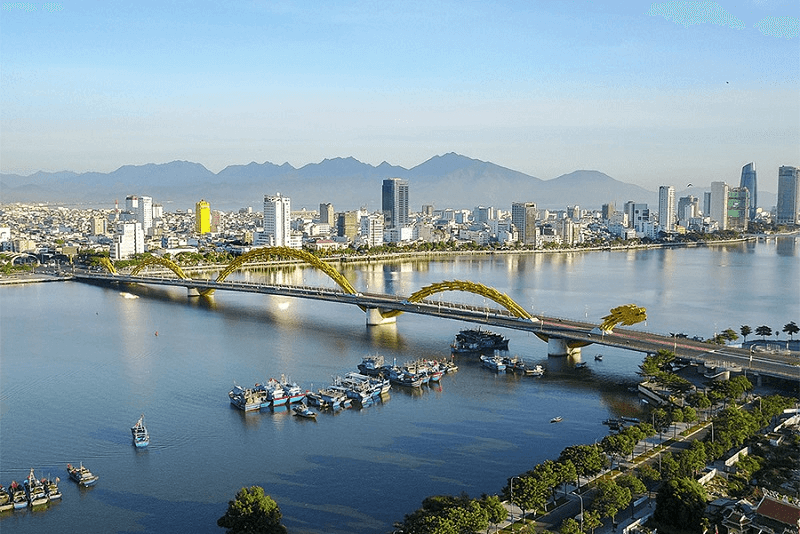

Best Hotels in Da Nang
Find the perfect hostel with top ratings on Hostelworld. Secure your bed today with zero booking fees!
3. Detailed analysis of 12 months for traveling to Da Nang
3.1. Transition Period (January – March)
3.1.1. Traveling to Da Nang in January
- Temperature: 18-25°C (Chilly, cool).
- Weather: Still in the rainy season but rainfall has decreased. Usually just a light drizzle.
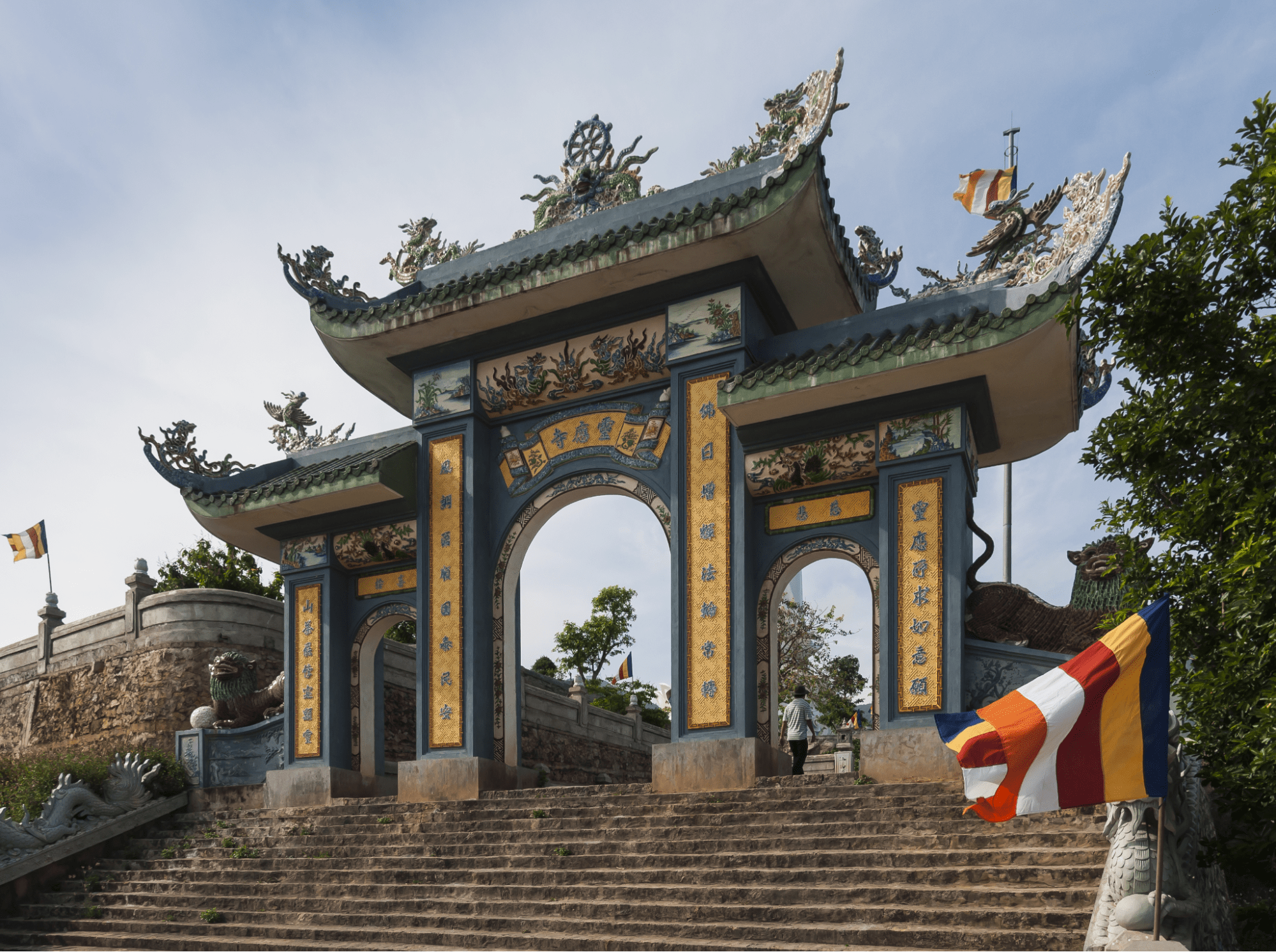
- Experience: Spring travel, visitingLinh Ung pagodaNgu Hanh Son Mountains) to pray for peace. This weather is perfect for walking tours and eating hot dishes (hotpot, BBQ).
- Note: You should not swim yet because the water is cold.
3.1.2. Traveling to Da Nang in February
- Temperature: 20–28°C (Warm, pleasant).
- Weather: Starting to transition to the dry season, more sunny days, rainfall noticeably decreases.
- Experience: Participate in the Hoa My Village Festival – a unique traditional cultural feature of the locals. This is also the time when green moss starts to cover the rocks at Nam O beach, creating a gorgeous scene for check-ins and photography.
- Note: You should bring a hat and sunscreen for outdoor sightseeing as the weather starts to get hotter.

3.1.3. Traveling to Da Nang in March
- Temperature: 21–28°C (Warm, pleasant).
- Weather: March is the most beautiful time of the year, with mild sunshine, little rain, and fresh, pleasant air.
- Experience: Participate in the Avalokitesvara Festival at the Marble Mountains – a major spiritual and cultural event that attracts a large number of tourists from all over. The weather is ideal for strolling on the beach, visiting scenic spots, and taking check-in photos.
- Note: You should book rooms and tickets early because this is the peak tourist season, and the number of visitors to Da Nang begins to surge.

3.2. Summer Period (April – August)
3.2.1. Traveling to Da Nang in April
- Temperature: 23–31°C (Warm and hot, plenty of sunshine).
- Weather: April marks the beginning of summer with clear blue skies, brilliant golden sunshine, and almost no rain.
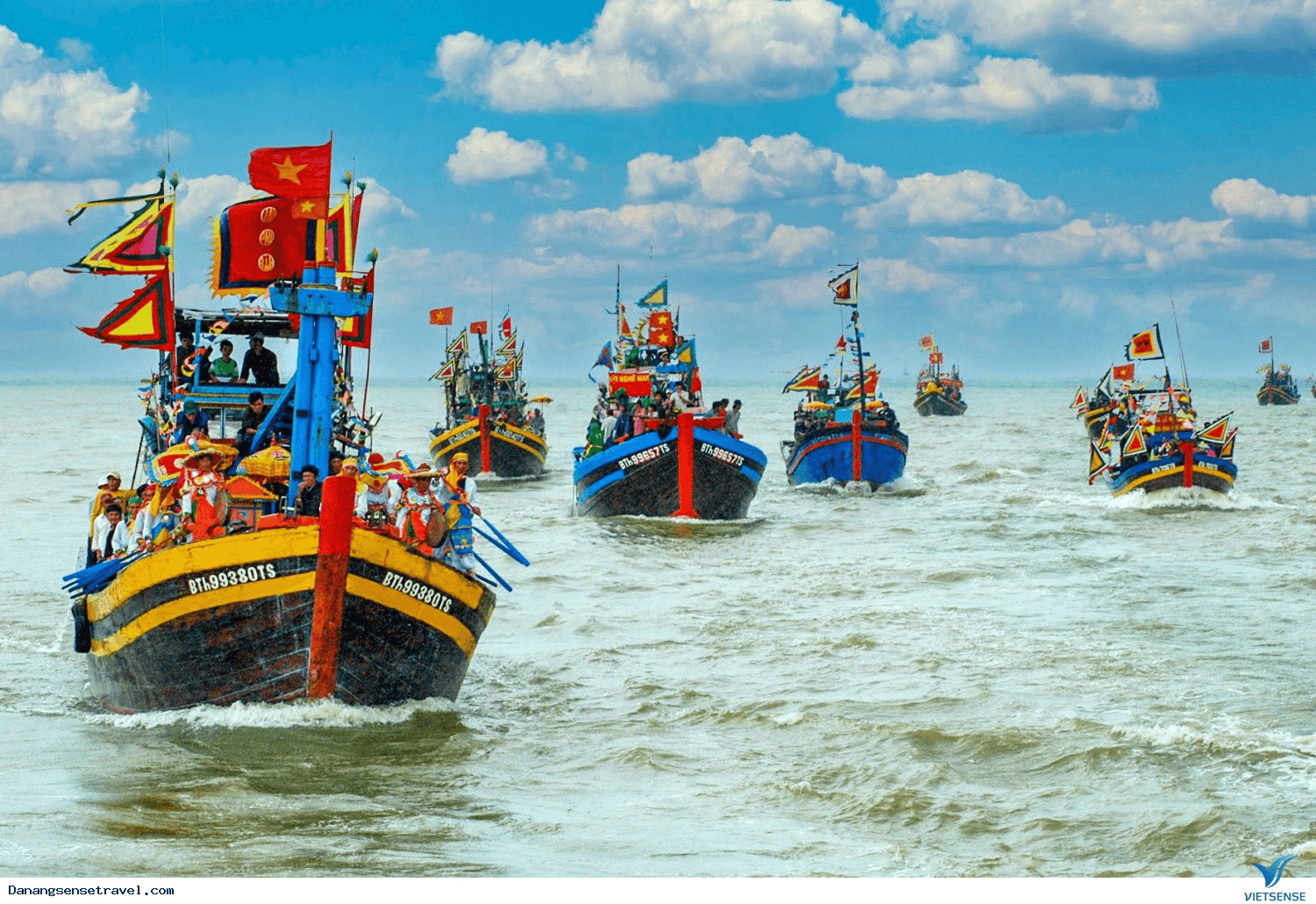
- Experience: The ideal time to kick off the swimming season, enjoying the warm water and gentle waves at My Khe beach. This is also the time for the Cau Ngu (Whale Worship) Festival – a unique traditional cultural feature of Da Nang's coastal fishermen.
- Note: During the April 30th – May 1st holiday, tourist volume spikes, so you should book rooms and services early to avoid overbooking.
3.2.2. Traveling to Da Nang in May
- Temperature: 25–33°C (Hot, muggy).
- Weather: Entering mid-summer, the sun is strong but dry, highly favorable for outdoor activities.
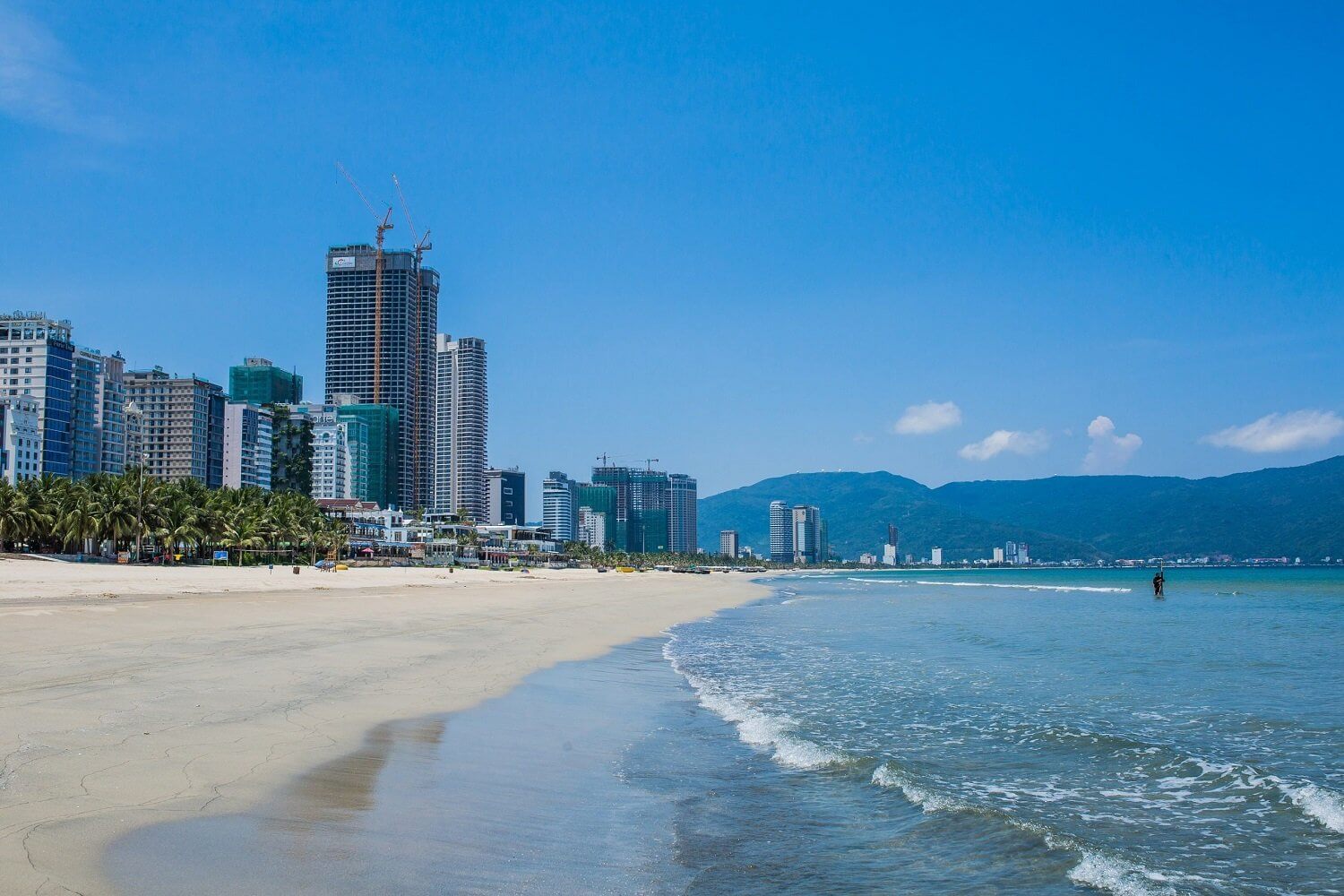
- Experience: May is the ideal time to participate in water sports such as surfing, kayaking, or swimming at My Khe. If you want to escape the heat in the center, you can head to Ba Na Hills – which features a cool climate year-round, stunning landscapes, and many attractive entertainment activities.
- Note: You should bring a hat, sunglasses, and sunscreen when moving outdoors.

Best Hotels in Da Nang
Find the perfect hostel with top ratings on Hostelworld. Secure your bed today with zero booking fees!
3.2.3. Traveling to Da Nang in June & July
- Temperature: 25–35°C (Intensely hot).
- Weather: June and July are the peak of summer in Da Nang, with brilliant sunshine and occasionally the dry, hot Lao wind blowing through.
- Experience: This is the most vibrant period of the year with a series of beach activities, entertainment, and festivals. If the International Fireworks Festival is held, Da Nang becomes the focal point attracting domestic and foreign tourists. The beaches and tourist areas like Ba Na Hills or Son Tra are always bustling day and night.
- Note: Prepare sun protection carefully and book your room early because the number of tourists will be very high.

3.2.4. Traveling to Da Nang in August
- Temperature: 25–32°C (Warm and hot, more pleasant than June–July).
- Weather: August is the end of the dry season, the weather is still beautifully sunny but occasionally there are short showers signaling the approaching rainy season.
- Experience: This is the last chance to fully enjoy the beauty of Da Nang's sea before the rainy season begins. Visitors can participate in swimming, snorkeling, or relaxing at coastal resorts.s
- Note: Many hotels and resorts begin to roll out attractive promotions, perfect for hunting good deals. If you encounter rain, you can visit indoor attractions like the 3D Art in Paradise Museum for a change of pace.
3.3. Rainy Season Period (September – December)
3.3.1. Traveling to Da Nang in September
- Temperature: 24–31°C (Cool, pleasant).
- Weather: September marks the time Da Nang enters the rainy season; rainfall gradually increases but mostly falls in the late afternoon, while mornings still have mild sunshine.
- Experience: This is an ideal period for those who want to travel economically and avoid crowds. The city becomes more peaceful, suitable for visiting the Museum of Cham Sculpture, strolling around Con market, Han Market and enjoying local cuisine.
- Note: You should carry an umbrella or a light raincoat when moving around to avoid sudden showers.
3.3.2. Traveling to Da Nang in October & November
- Temperature: 21–29°C (Cool but rainy).
- Weather: October and November are the peak of the storm season in Da Nang, with heavy rainfall and the sea often experiencing large waves and strong winds.
- Experience: This is not an ideal time for outdoor activities or island hopping, but it is suitable for relaxing in a resort, enjoying spa services, or sipping coffee in the quiet spaces of the city.
- Note: Visitors should carefully monitor the weather forecast before planning and limit trips to the beach due to the risk of storms and rough seas.

3.3.3. Traveling to Da Nang in December
- Temperature: 19–24°C (Chilly, pleasant).
- Weather: December marks the end of the rainy season, storms have significantly decreased, and the weather is drier and cooler.
- Experience: The city is filled with a festive atmosphere with decorative lights for Christmas and the New Year. This is a wonderful time to stroll the streets, check-in at vibrant downtown spots, and enjoy street food — especially piping hot BBQ and seafood hotpots.
- Note: Temperatures drop slightly in the evening, so you should bring a light jacket when going out.

4. Tips for packing luggage for Da Nang by season
4.1. Dry season luggage (March – August)
Before setting off to explore Da Nang during the sunniest months of the year, do not forget to prepare carefully to make your trip more complete. Here are the essentials for the dry season (March – August):
- Sunscreen SPF 50+: An absolute must, reapply every 2 hours especially when swimming.
- Wide-brimmed hat or cap: Effective sun protection for your face and shoulders.
- UV Sunglasses: Protect your eyes from UV rays reflecting off the sand and seawater.
- Swimwear: At least 2 sets to change into, preferably quick-drying types.
- Maxi dresses, shorts, cotton t-shirts: Breathable fabrics with good sweat absorption.
- Light jacket: For air-conditioned rooms or evenings at Ba Na Hills.
- Sandals, flip-flops: Easy to slip off when entering restaurants or walking on the sand.
- Water bottle: Carry it to stay hydrated regularly.
4.2. Rainy/cold season luggage (September – February)
When Da Nang enters the rainy season, the weather can change rapidly. Therefore, you should pack carefully so that your trip is always comfortable and fulfilling:
- Compact folding umbrella: Small enough to put in your bag, can be opened quickly for sudden rain.
- Áo mưa cá nhân: Tiện hơn ô khi đi xe máy hoặc hoạt động ngoài trời
- Zip bags or waterproof bags: Protect phones, cameras, and documents from getting wet.
- Windbreaker: For light rain and keeping warm from September to November.
- Sweater, warm jacket: Necessary for December to February when it gets chilly at night.
- Quick-drying footwear: Waterproof sneakers or rubber sandals.
- Rain boots: If heavy rain is forecast, boots will keep your feet dry.
- Dry towel: Handy to dry yourself off after getting caught in the rain.
5. Traveling to Da Nang: Which means of transport to choose?
To get to Da Nang, you have 3 main transportation options. Each type has its own pros and cons, depending on your budget and time.
5.1. By plane
- Pros: This is the optimal choice for speed, especially if you are traveling from Hanoi or Ho Chi Minh City (takes just over 1 hour of flight). Da Nang Airport is very convenient because it is located right in the city.
- Cons: Airfares are usually quite high, especially if you book close to your travel date or travel during the peak tourist season (April – August).
5.2. By train
- Pros: The train offers a unique sightseeing experience that no other vehicle provides. The route over the Hai Van Pass is considered one of the most beautiful railway routes in Vietnam.
- Cons: This is the most time-consuming means of transportation.
5.3. Queen Cafe sleeper bus
Pros: This is the most optimal choice for the budget and a smart way to use your time.
- Nearby routes (from Hue, Quang Tri): Sleeper buses are a solution that is both fast and reasonably priced.
- Long-distance routes (from Hanoi): This is a great budget-friendly solution. The biggest benefit is that you get on the bus in the evening, sleep soundly, and arrive in Da Nang the next morning. This helps you save a full night's hotel stay and gives you a whole day to explore right upon arrival.
View the Queen Cafe Bus price list for main routes right away, helping you easily plan to Da Nang in the most convenient and economical way.
| JOURNEY | PRICE | BOOK TICKETS |
| Hanoi ⇔ Da Nang | 450.000 VNĐ – 750.000 VNĐ | Place it here |
| Hue ⇔ Da Nang | 150.000 VND/pax | Place it here |
| Hoi An ⇔ Da Nang | 150.000 VND/pax | Place it here |
| Ninh Binh ⇔ Da Nang | 450.000 VNĐ – 500.000 VNĐ | Place it here |
| Quang Binh ⇔ Da Nang | 250.000 VNĐ – 300.000 VNĐ | Place it here |
📞 For attentive consultation and the fastest ticket booking, you can contact:
- Hotline: 0906.413.468 – 0914.215.809
- Zalo: 0905.746.884 – 0914.215.809
- Website: https://queenbus.com.vn/
- Fanpage: Queen Cafe Open Bus

Conclusion
Every season in Da Nang brings its own unique beauty. Whether you choose a vibrant summer with blue sea and white sand, or a cool spring with unique green moss, Da Nang always has distinctive experiences waiting for you. The most important thing is that the timing fits your own desires.
Hopefully, this detailed 12-month guide has helped you answer the question "When is the most beautiful season to travel to Da Nang?" and pick the ideal time for yourself. What are you waiting for? Start planning and book your Queen Cafe Bus ticket to embark on your journey exploring this livable city right away!